
WATER TREATMENT · WESTERN PA & NORTHEAST OHIO
Tired of city water that tastes like a swimming pool? The utility’s chlorine did its job at the plant. The CityLux takes what’s left out of every gallon at the point of entry.
Serving our communities since 1967
One whole-home unit, sized to your utility’s disinfectant and your household’s water use. Your utility’s annual water quality report names the disinfectant; bring it to the test.
Schedule a water test- RemovedChlorineAdsorbed by activated carbon at the point of entry; the pool taste and smell go with it.
- RemovedChloramineChlorine bonded with ammonia; ordinary carbon barely touches it. Catalytic carbon and more contact time break the bond.
- RemovedTrihalomethanes and other byproductsFormed when chlorine meets organic matter on the way to the house. Carbon takes them out with the disinfectant.
- RemovedTaste and odor compoundsThe earthy, musty, or plastic notes a municipal supply can carry, adsorbed alongside the chlorine.
- SoftenedHardnessCity water is softer than well water on average, but not exempt. The CityLux is a softener too, so the scale goes with the chlorine.How softening works
- Not carbonBacteriaCarbon removes the disinfectant; it does not disinfect. Where a test finds bacteria, that is the UV lamp’s job.UV sanitation
- 4 mg/LThe EPA maximum residual disinfectant level for chlorine and for chloramine at the tap. The taste starts far below it.
- 80 µg/LTotal trihalomethanes, the EPA limit for the main disinfection byproduct.
- WHAT IT CHANGES
- No chemical taste or smell at any tap or shower
- Coffee, tea, and cooking taste like the water
- No more pitcher cartridges or bottled water
IS THIS YOUR WATER?
Why Does City Water
Taste and Smell Like Chlorine?
Cities add chlorine, or chloramine, to disinfect the supply at the plant and through the miles of pipe to your home. By the time it reaches you, it’s done its job. What’s left is the taste and the smell.
HOW THE CITYLUX WORKS
Whole-Home Treatment,
Not Just a Pitcher Filter.
Pitcher filters and faucet attachments treat a fraction of the water and need constant replacement. The CityLux treats every gallon that enters the home, at the point of entry.
- 01
City water in
Water from the municipal main enters the house carrying the residual disinfectant that kept it safe through miles of pipe, plus the byproducts it formed on the way.
- 02
Carbon contact
Catalytic carbon adsorbs the chlorine and the taste and odor compounds as the water passes through, and with enough contact time it breaks the chlorine-ammonia bond in chloramine. Trihalomethanes and the other byproducts are held in the carbon too.
- 03
Softened in the same unit
The CityLux is a water softener as well, so the calcium and magnesium come out in the same pass, and a micron filter catches the grit a main can carry.
- 04
Every tap
Clean, great-tasting water continues to the kitchen, the bathrooms, the laundry, everything. The media is checked at the annual service and replaced when it is spent.
CHLORINE · REMOVAL OF TASTE & SMELL
Chlorine Removal
for City Water.
If you’re on municipal water and your tap water tastes or smells like chlorine, you’re not imagining it. Cities add chlorine to treat the water supply, and while it’s effective for sanitation at the treatment plant, by the time it reaches your home it’s done its job. What’s left is the taste, the smell, and the dry skin and hair that come with it.
Why city water tastes and smells like chlorine
Municipal water systems use chlorine, or chloramine, as a disinfectant to kill bacteria during treatment and as water travels through miles of pipes to your home. The amount varies by season, distance from the treatment plant, and local water conditions. The two disinfectants behave differently at the tap and in a filter; the chlorine-taste page tells them apart.
The fix: the Chatfield Water Systems CityLux
Our CityLux is designed specifically for homes on municipal water. It is one whole-home unit that softens the water and removes chlorine, chloramine, and their byproducts from your entire supply, with a micron filter for sediment. Once installed, every tap in your home delivers clean, great-tasting water without the chemical taste or smell. Your showers feel better, your coffee tastes better, and you stop buying bottled water.
Whole-home treatment, not just a pitcher filter
Pitcher filters and faucet attachments only treat a fraction of your water, they need constant replacement, and they can’t handle the volume a household actually uses. The CityLux treats every gallon that enters your home, kitchen, bathrooms, laundry, everything, at the point of entry. One system, whole-home results.
Serving Western PA and Eastern OH
We install CityLux systems for homeowners on municipal water across ten counties:
HOW WE SET UP YOUR CITYLUX
Test First.
Then Match the Carbon.
Ready to ditch the chlorine taste? Call or fill out the form to schedule your water test.
- 01
Test your water
We test your city water to measure chlorine and chloramine levels and check for any additional concerns.
- 02
Assess your space
We evaluate the point of entry where your municipal water line enters your home and plan the installation.
- 03
Review results & quote
The right CityLux configuration for your home’s water usage, with a clear quote.
- 04
Install
The CityLux is one of our most straightforward installations; same-day service is typically available.
A LITTLE CLARITY
Chlorine Removal Questions.
Straight Answers.
How do I remove chlorine from my tap water?
For a whole home, chlorine is treated at the point of entry so that every fixture delivers water without the taste and smell. Chatfield addresses over-chlorinated municipal water with the CityLux, selecting the configuration after reviewing your water and the installation area. Pitcher filters and letting water stand may affect taste at a single glass but do not treat the water reaching showers and appliances.
Why does my city water smell or taste like chlorine?
Chlorine is used by municipal systems as a disinfectant, and the amount reaching a particular home can vary by season, distance from the treatment plant, and local water conditions. Too much chlorine can affect taste, smell, and even skin sensitivity. It is one of the contaminants Chatfield’s systems are built to address, alongside VOCs, PFAS, arsenic, and bacteria.
Does the CityLux remove chloramine?
Yes. Chloramine, chlorine bonded with ammonia, does not fade on standing or boil off, and ordinary carbon barely touches it. Catalytic carbon and more contact time break the bond, and catalytic carbon is what the CityLux uses. Your utility’s annual water quality report names the disinfectant it runs; bring it to the test.
Do I need chlorine removal if I am on a private well?
Usually this is a municipal water question, since private wells are not typically chlorinated by a utility. However, chlorine can be part of a well system where injection is used as a sanitation or sulfur treatment, and in those cases a carbon filter is part of the design. Testing and a review of your existing equipment determine what applies to your property.
Will the CityLux soften the water?
Yes. The CityLux is a water softener with catalytic carbon built in, so one unit takes out the hardness and the chlorine or chloramine. City water is softer than well water on average but not exempt, and the test shows how hard yours is so the unit is sized to it.
How do I find out what is in my water?
Chatfield tests your water on-site or through a certified lab, assesses the installation area, reviews the results with you, and provides a clear quote before installing anything. For city water, bring the utility’s annual water quality report as well. Call (724) 588-2652 to schedule a water test.
Talk with the Chatfield team.
(724) 588-2652A LITTLE KNOWLEDGE GOES A LONG WAY
Know Your Water.
 WATER PROBLEMS
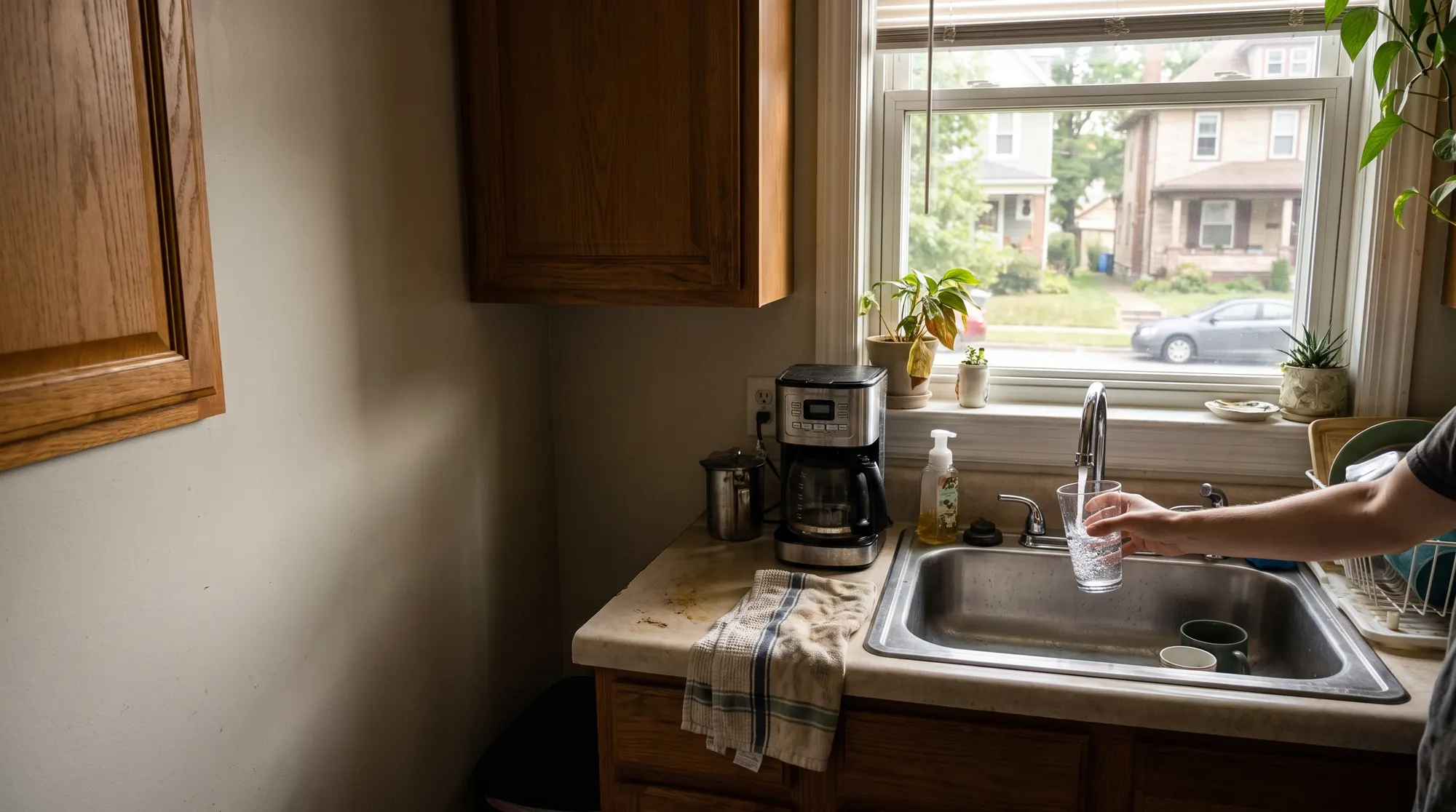
Chlorine taste on your city water.
Chlorine or chloramine, the EPA lines, and why a pitcher filter doesn’t get there.
 WATER TREATMENT
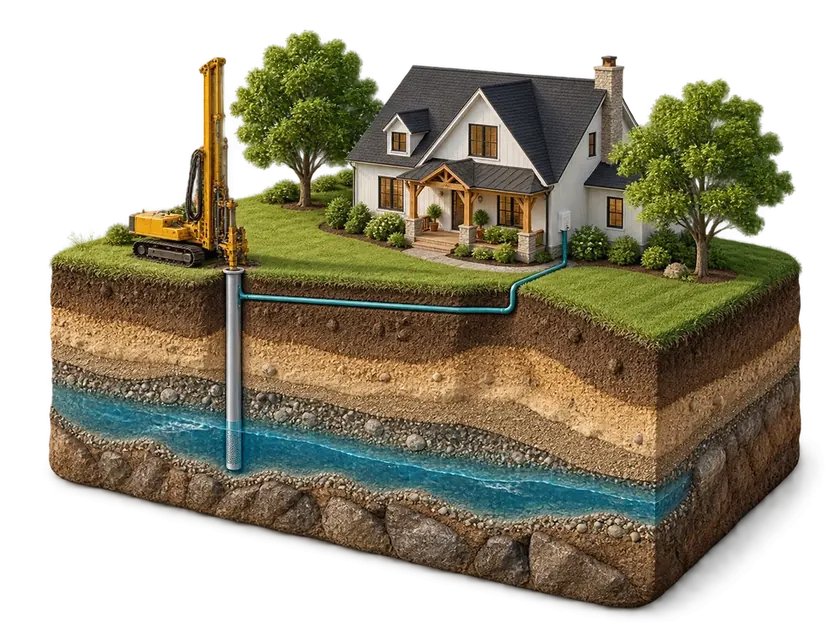
City water treatment.
Sediment, hardness, chlorine and chloramine: what a municipal supply still brings to the tap.
 WATER TESTING
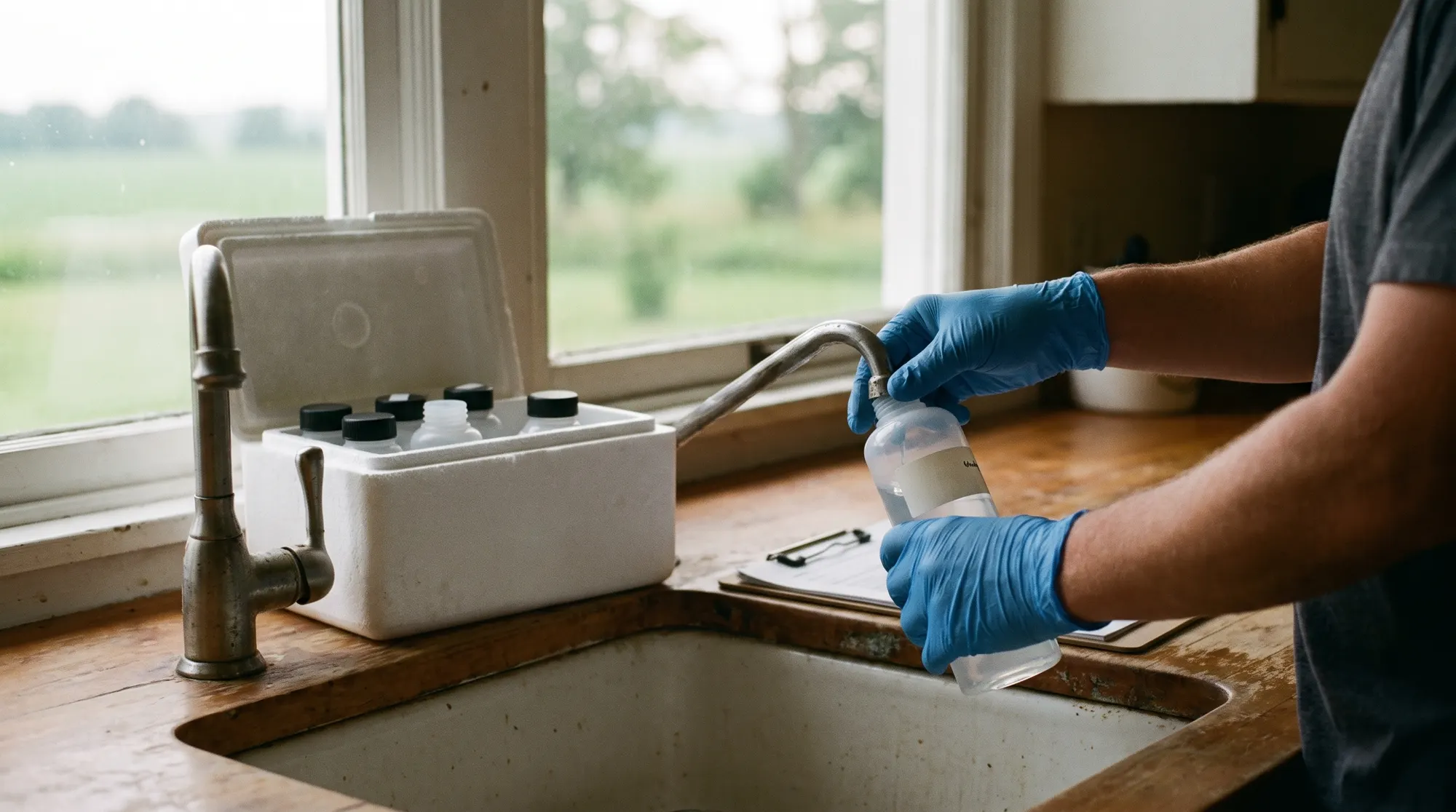
Water testing, explained.
What a test measures, what the results mean, and what happens next.
YOUR NEXT STEP
Ditch the Taste.
Keep the Safety.
Call or fill out the form to schedule your water test. We’ll measure the chlorine at your tap and configure the CityLux to your utility’s disinfectant.