
WATER TREATMENT · WESTERN PA & NORTHEAST OHIO
Hard water leaves spots, scale, and dry skin behind. A softener sized to your water and your household takes the minerals out before they reach a faucet.
Serving our communities since 1967
USGS hardness classes. Hardness varies well to well, even on the same road — a test gives you your number.
- WHAT SOFTENING CHANGES
- Spots and scale stop building up
- Soap lathers, less detergent needed
- Water heaters and appliances stay clear of mineral buildup
IS THIS YOUR WATER?
The Signs of
Hard Water.
Hardness doesn’t announce itself. It shows up on your dishes, your fixtures, and your skin.
HOW A SOFTENER WORKS
Minerals Out.
Soft Water In.
A softener doesn’t filter hardness — it exchanges it. Here is what happens inside the tank.
- 01
Hard water comes in
Water from your well or the city main enters the resin tank carrying dissolved calcium and magnesium.
- 02
Ion exchange
The minerals bind to resin beads and trade places with sodium or potassium ions — the hardness stays behind.
- 03
Soft water goes out
Softened water continues to your water heater and every fixture in the house.
- 04
Regeneration
On demand, brine from the salt tank rinses the minerals off the resin and flushes them to drain. Then the cycle starts again.
WATER SOFTENERS
Softer Water for Western Pennsylvania and Northeast Ohio.
Chatfield Water Systems offers advanced water softener solutions to address hard water challenges for residents and businesses in Western Pennsylvania and Northeastern Ohio. Our systems are designed to enhance water quality, protect your appliances, and improve daily living.
Benefits of a water softener
- Spotless glassware and dishes. Eliminate hard water spots on your drinking glasses and dishes, ensuring they remain sparkling clean without the need for extra scrubbing.
- Less soap and detergent. Soft water enhances the effectiveness of soaps and detergents, allowing for a richer lather and reducing the amount needed for cleaning tasks.
- Longer appliance life. By preventing mineral buildup, our water softeners help extend the life of water-using appliances like dishwashers, washing machines, and water heaters.
Our water softeners work hard for you
We understand that each household has unique water quality needs. Our team offers personalized assessments to recommend the most suitable water softening solutions, ensuring optimal performance and efficiency.
“I had the pleasure of having Sam and Hunter for the installation of my new water softener, and I couldn’t be more impressed. The system is working great, and I can already notice a difference in the water quality.”
Serving communities across Western Pennsylvania and Northeast Ohio
Chatfield Water Systems is proud to serve communities including:
Our local expertise ensures that we address the specific water quality challenges faced by residents and businesses in these areas.
ALSO ON SOFTENERS
Repair, Cost,
and the Salt-Free Question.
The softener you have, the one you might buy, and the conditioner people ask about instead.
HOW WE WORK
Test First.
Then Tailor the System.
One concern or a combination — your water results and your home’s setup guide the recommendation.
- 01
Test
Testing establishes the actual hardness level, which is what determines the right equipment.
- 02
Assess & design
A personalized assessment of your water results, household demand, and installation space before anything is quoted.
- 03
Install
Installed by the Chatfield team, explained as we go, and left clean.
- 04
Service
Refilling the salt and an inspection once a year keeps a softener running efficiently.
A LITTLE CLARITY
Good Questions.
Straight Answers.
Can you put a water softener on well water?
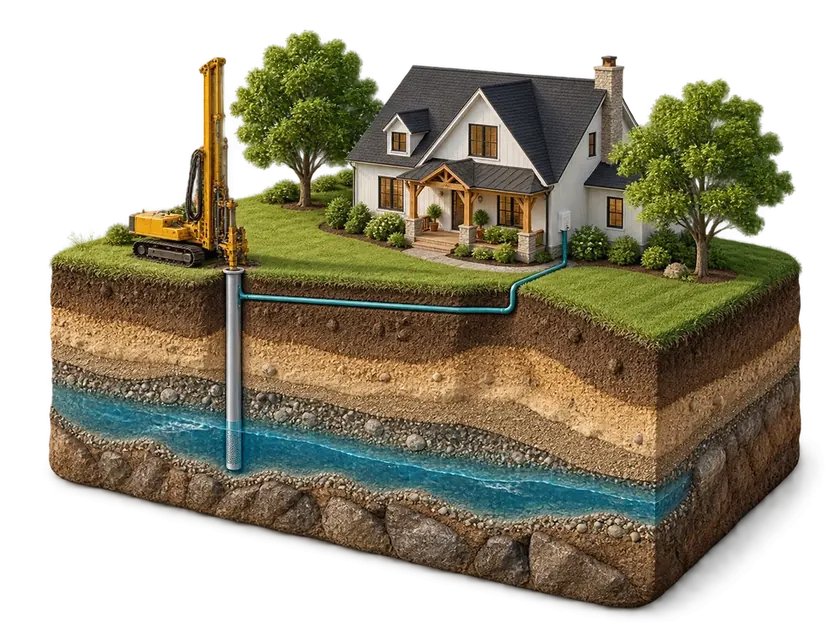
Yes, and it is common. Hardness comes from minerals such as calcium and magnesium, which occur naturally in groundwater. A softener addresses those minerals specifically. What it does not address is iron, sulfur odor, sediment, or bacteria, which need their own treatment, so testing determines whether a softener alone fits your water or whether it is one part of a larger system.
Do you need a special water softener for well water?
Well water often carries more than hardness, so a softener may need to work alongside other equipment, and sizing depends on your water chemistry and household demand. Chatfield provides personalized assessments and recommends a configuration based on your test results rather than fitting the same unit to every home.
What are the benefits of softened water?
Households typically notice spotless glassware and dishes without extra scrubbing, better lather from soaps and detergents so less is needed, and reduced mineral buildup that extends the life of dishwashers, washing machines, and water heaters. Many people also find soft water gentler on skin and hair.
How do I know if I have hard water?
Common indicators include spotting on glassware, scale buildup on fixtures and inside appliances, soap that does not lather well, and a filmy feel after washing. Testing establishes the actual hardness level, which is what determines the right equipment. Call (724) 588-2652 to schedule a water test.
How often does a water softener need maintenance?
Most water softeners require minimal maintenance, typically refilling the salt and having the system inspected once a year. Regular service helps ensure consistent performance and prevents issues such as resin buildup or clogs. Chatfield Water Systems offers professional maintenance and checkups to keep a softener running efficiently.
Talk with the Chatfield team.
(724) 588-2652A LITTLE KNOWLEDGE GOES A LONG WAY
Know Your Water.
 WATER TREATMENT
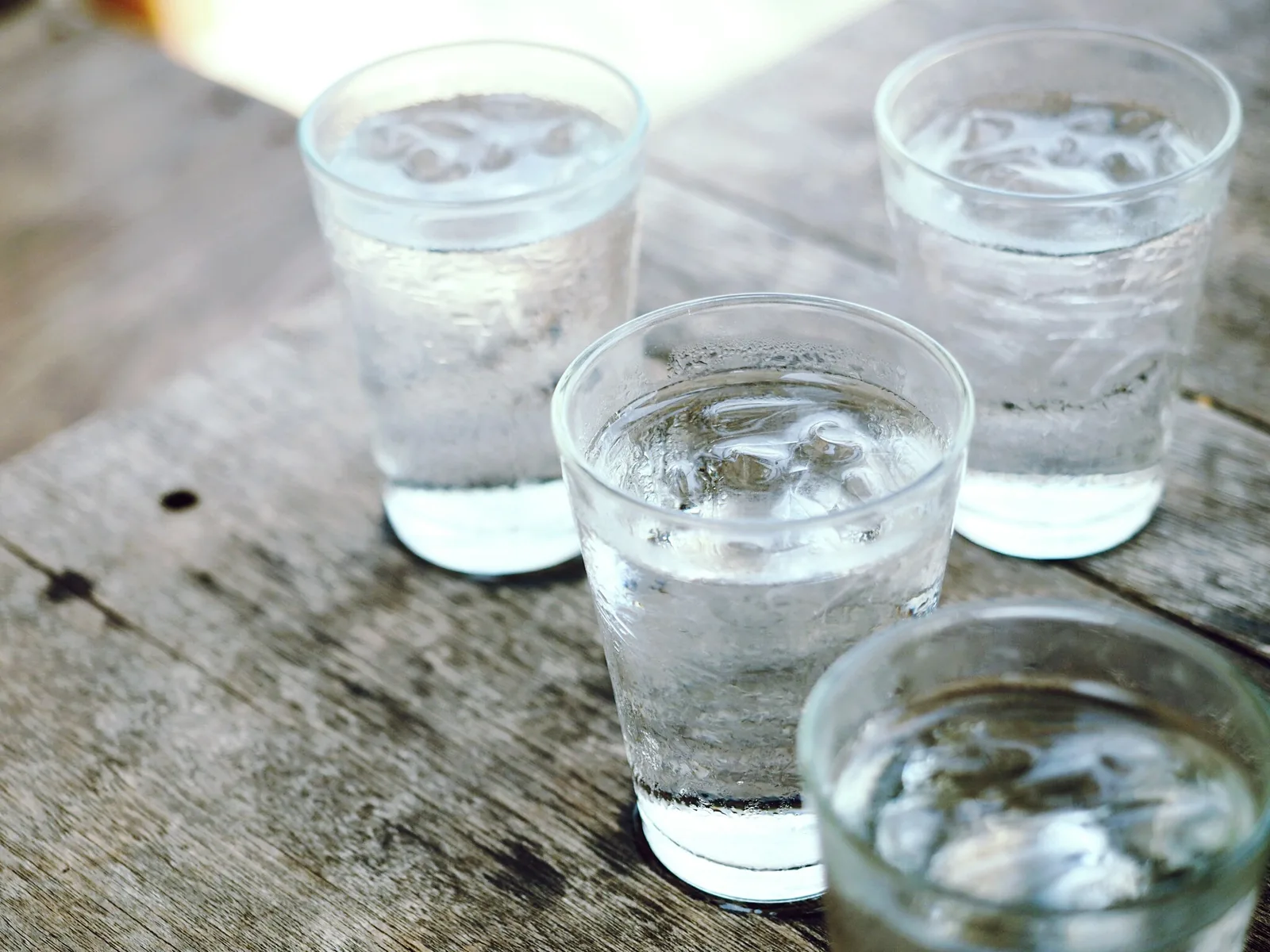
Water filtration systems.
Iron, sulfur, sediment, and manganese need filtration, not softening. See what each system does.
 WATER PROBLEMS
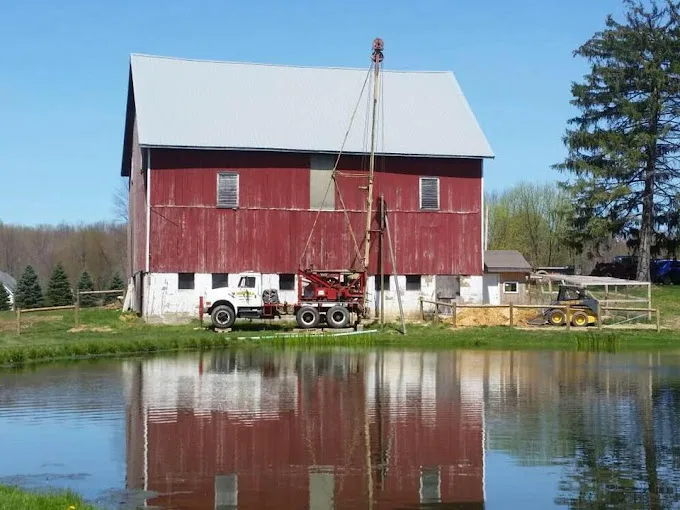
Do you have hard water?
The signs, what causes hardness in our region, and how to confirm it.
 WATER TESTING
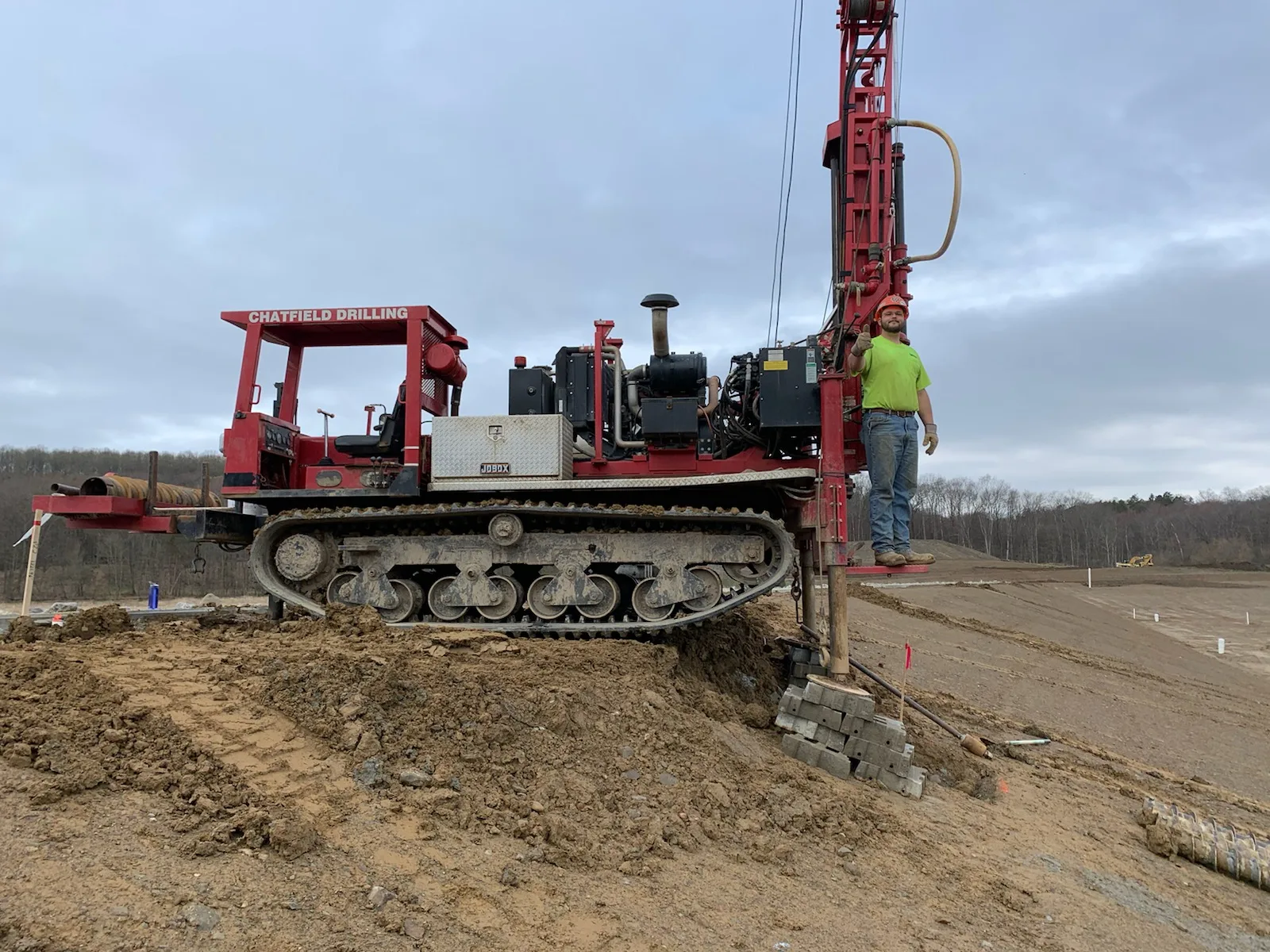
Water testing, explained.
What a test measures, what the results mean, and what happens next.
YOUR NEXT STEP
Softer Water Starts
with a Test.
Tell us what you’re noticing. We’ll test your water, walk you through the results, and recommend a softener that fits your home.