
WATER TREATMENT · WHAT IT COSTS
One tap or the whole house, how many stages, and what it feeds: three things set the price of an RO system. Here is what each does to the number, and what a quote should show you.
Serving our communities since 1967
Nearly every reverse osmosis install is an under-sink unit at the kitchen tap, and the price moves with its stages and its lines more than with anything else. The test decides whether you need it; the sink decides the rest.
Schedule a water test- 01One tap, or the whole houseMost reverse osmosis is an under-sink unit feeding a dedicated drinking-water faucet. A whole-house RO system is a different order of equipment, with a storage tank and a pump, and a different quote.Polished drinking water where it is drunk
- 02The stagesA sediment and carbon pre-filter, the membrane, a post-filter, and a remineralizing stage that puts the taste back. More stages, more to buy and more to replace, and the test says which the water needs.Lead, nitrate, arsenic, PFAS out; minerals back in
- 03What it feedsThe faucet at the sink is the base. A line to the refrigerator’s ice and water, a second faucet, or a coffee station each adds plumbing and a little to the number.Every glass, cube, and pot from the same membrane
- The testAt the tap, with a lab panel for the dissolved contaminants RO is bought for: nitrate, arsenic, lead, PFAS.
- The unitPre-filters, membrane, post-filter, remineralizer where it belongs, storage tank, and the faucet, with its manual and warranty.
- The installThe drain connection, the feed line, the faucet through the sink or counter, any refrigerator line, and the first flush.
- WHAT THE MONEY CHANGES
- Drinking and cooking water without the dissolved things a whole-house system leaves
- Tea, coffee, and ice that taste like the water
- A tap the family drinks from instead of the bottled-water aisle
WHAT IS ON THE QUOTE
Six Lines,
Each With a Reason.
An RO quote should read like a list. These are the lines, and what each one is for.
- Sediment and carbon pre-filters that protect the membrane
- The membrane itself, sized to the water and the use
- A remineralizing stage, so the water tastes like water
- A storage tank and a dedicated faucet at the sink
- A line to the refrigerator, where the ice matters
- The drain, the feed, and the first flush
HOW THE NUMBER IS BUILT
Test, Place,
Stages, Install.
Four steps, and the quote is the total. The first one decides whether the other three happen at all.
- 01
Start with the test
The tap test covers the minerals, and a lab panel covers what RO is bought for: nitrate, arsenic, lead, PFAS. If the water carries none of them, we tell you, and the money goes to the treatment that is needed.
- 02
Decide where it goes
Under the kitchen sink for drinking and cooking, which is nearly every install. Whole-house RO only where the test and the household call for it, with the storage and pumping that brings.
- 03
Count the stages and the lines
It means pre-filters, membrane, post-filter, remineralizer, the faucet, and any refrigerator line or second tap. Each is on the quote as its own line.
- 04
Add the install, and that is the number
The install is the faucet through the sink or counter, the drain connection, the feed line, any run to the refrigerator, and the first flush. The quote is the unit plus the install plus what it feeds.
REVERSE OSMOSIS COST
What Moves the Price of
a Reverse Osmosis System.
Reverse osmosis has the widest spread of prices of any treatment, because “RO system” covers a small unit under a sink and a whole-house plant with a storage tank. Almost everyone means the first. What follows is what moves its price, and the one question that comes before any of it.
First: does the test call for it?
RO earns its place by removing what a whole-house system leaves dissolved in the water: nitrate, arsenic, lead, PFAS, and the rest of the contaminant list. Those are lab questions rather than tap questions, and the water test sends the sample. If the panel is clean, RO becomes a taste choice. That is a fine reason to buy one, but no reason you have to. We tell you which it is before a quote exists.
Under the sink, or the whole house
An under-sink unit treats the water you drink and cook with, at the tap where you draw it, and it is the right answer for nearly every home: the shower and the washer do not need membrane-polished water, and the whole-house equipment ahead of it already handles what they do need. Whole-house RO exists for the rare water that justifies it, with storage and pumping to keep up with a house, and it is quoted as the different job it is. The reverse osmosis page explains where the unit sits in the sequence.
The stages
A sediment and a carbon pre-filter protect the membrane from grit and chlorine; the membrane does the work; a post-filter polishes the taste; and a remineralizing stage puts the calcium and magnesium back so the water tastes like water rather than like nothing. More stages cost more to buy and, later, more to replace. The test and the water’s taste decide the count, and the quote names each one.
What it feeds
The base install is one dedicated faucet at the kitchen sink. A line to the refrigerator, so the ice and the door dispenser draw from the same membrane, is the most common addition and the one most households are glad of. A second faucet, a bar sink, or a coffee station each adds plumbing. None of it is expensive on its own; all of it is on the quote as its own line.
The install, and the upkeep
The install covers the faucet through the sink or the counter, the drain connection for the membrane’s reject water, the feed line, any refrigerator run, and the first flush. Then comes the running cost: pre- and post-filters on a schedule, usually once or twice a year, and a membrane every few years, with the dates written on the unit and the annual checkup covering the change. Financing through GreenSky covers treatment work; the financing page explains how to apply.
Questions to ask about any quote
- What on the lab panel justifies the RO, or is it a taste choice?
- How many stages, and is there a remineralizing stage?
- Does it feed the refrigerator, and is that line on the quote?
- What are the filter and membrane intervals, and what do they cost?
- Where does the reject water go, and how much is it?
- Which manual and which warranty come with it?
HOW A QUOTE HAPPENS
Test First.
Then the Number.
The water test and its lab panel come first in every RO quote, and nothing is priced before them.
- 01
Test your water
A tap test, plus a lab panel where the question is a dissolved contaminant. RO is sized and justified by that result.
- 02
Assess the sink
Cabinet space, the drain, where the faucet goes, and whether the refrigerator is on the list.
- 03
Review results & quote
The unit and its stages, the lines it feeds, the install, and the yearly filters and membrane life, explained before anything is scheduled.
- 04
Install & verify
Installed by the Chatfield crew, flushed, checked at the faucet, and the filter-change dates written on the unit.
A LITTLE CLARITY
RO Cost Questions.
Straight Answers.
How much does a reverse osmosis system cost?
An under-sink unit for the kitchen tap is a modest install compared with whole-house treatment, and its price moves with the number of stages, whether it feeds the refrigerator, and the install at your sink. A whole-house RO system is a different order of equipment and is quoted separately. Either way the quote follows the water test, because RO is bought for what the test finds, not for its own sake.
Why is there no price on this page?
Because the unit that fits your sink depends on what is in your water and what you want it to feed, and a single range would misstate it for most homes. We would rather test the water and quote the unit your water justifies, line by line.
Do I need reverse osmosis at all?
Only if the test says so. RO removes the dissolved things a whole-house system leaves, such as nitrate, arsenic, lead, and PFAS, and it improves the taste of drinking water. If the lab panel is clean, a whole-house system already did the job and RO is a taste choice rather than a safety one. We tell you which applies.
What does an RO system cost to keep?
Filters, on a schedule the unit and your water set, usually once or twice a year for the pre- and post-filters, and a membrane every few years. The dates are written on the unit at the install, and the annual checkup covers the change. It is far less than the bottled water most households were buying.
Under-sink or whole-house?
Under-sink, nearly always. Drinking and cooking water is where the dissolved contaminants matter, and a whole-house system already handles what the shower and the washer need. Whole-house RO exists for the rare water the test justifies it on, and it comes with storage, pumping, and a quote to match.
Does RO waste water?
Every membrane sends some water to the drain as it works; how much depends on the unit and the pressure. On an under-sink system feeding one tap, it is a small amount a day, and modern units use less than the old ones. The quote names the unit, and we tell you what to expect.
Talk with the Chatfield team.
(724) 588-2652A LITTLE KNOWLEDGE GOES A LONG WAY
Know Your Water.
 WATER TREATMENT
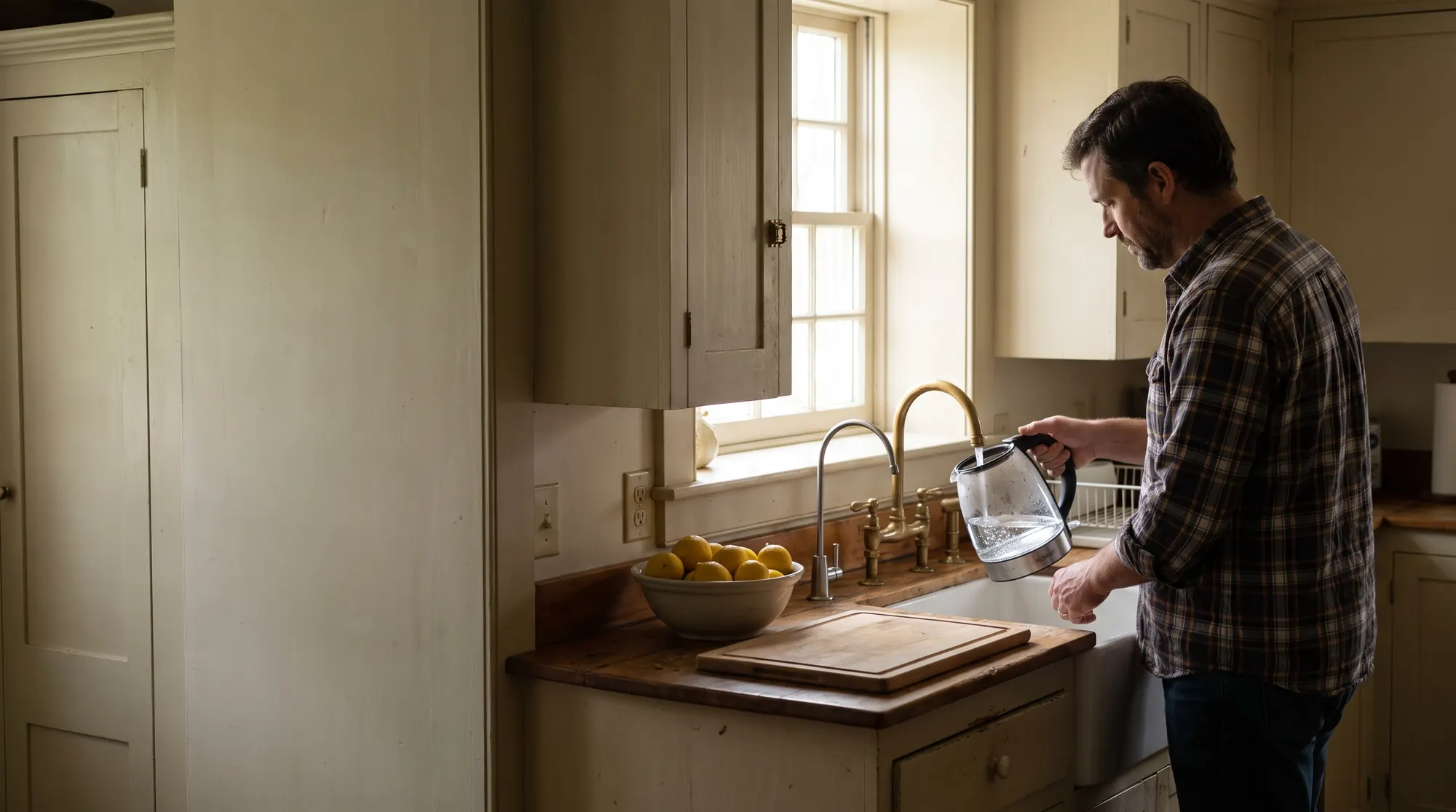
Reverse osmosis drinking water systems.
What the membrane takes out, the remineralizing stage, and where it goes in the sequence.
 WATER TREATMENT
Whole-house filtration cost.
What the point-of-entry equipment costs, and why RO comes after it.
 WATER TESTING
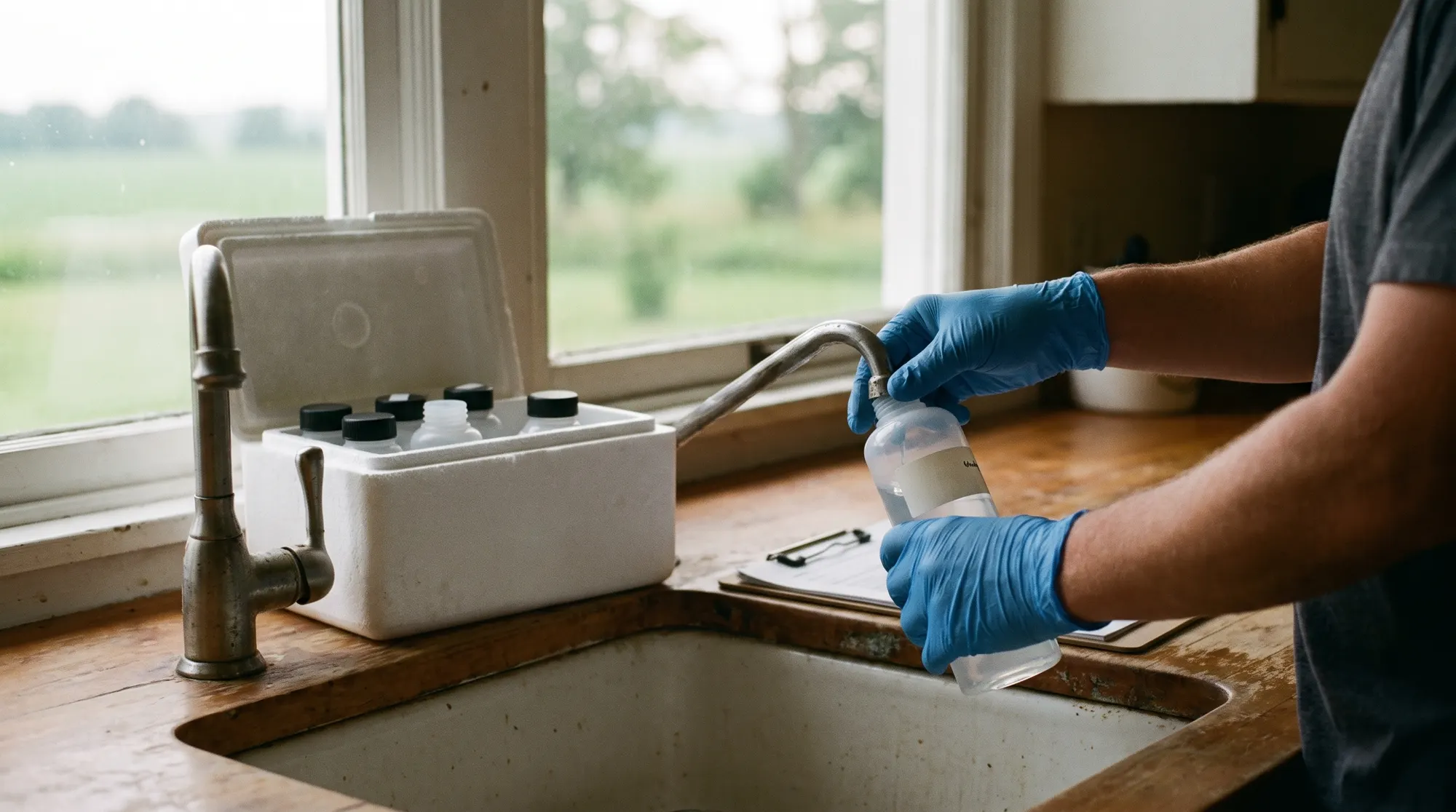
Water testing, explained.
What a test measures, what the results mean, and what happens next.

YOUR NEXT STEP
Your Number Starts
with a Test.
Call or fill out the form to schedule your water test. If the water justifies RO, the quote follows, line by line; if it does not, we say so.