

WATER TREATMENT · WESTERN PA & NORTHEAST OHIO
One removes the hardness. The other changes what it does. Both get called treatment for hard water, and the difference decides which belongs in your home.
Serving our communities since 1967
A softener trades the calcium and magnesium out of the water. A salt-free conditioner leaves them in and turns them into crystals that will not stick to pipes and heating elements. Both are called “treatment for hard water”; they are not the same thing, and the difference decides which belongs in your home.
Schedule a water testIon-exchange resin removes the hardness minerals and regenerates with brine. The water tests soft afterward: soap lathers, glassware dries spotless, scale stops. It needs salt, a drain, and a little water for each regeneration.
A media bed turns dissolved hardness into microscopic crystals that stay in the water and pass through instead of plating out. Scale on heating elements and fixtures drops; the water still tests hard, and soap and spotting behave much as before. It needs no salt, no drain, and no regeneration.
Neither one removes iron, manganese, or sulfur, and iron fouls both. Where the test finds it, a FerronX goes ahead of whichever of the two the home gets.
- The grainsThe hardness number on the test. The harder the water, the more a household notices the difference between removed and conditioned.
- What you want fixedScale on the water heater and fixtures: either. Spotless glassware, soft-water lather, softer skin and laundry: a softener.
- The houseNo drain for brine, a septic system the owner would rather not load, or salt nobody wants to carry: the conditioner’s case.
- WHAT THE TEST SETTLES
- Whether the water is hard enough for either to matter
- Whether iron has to come out first
- Which one matches what the household actually wants
WHICH ONE IS YOURS?
Where a Conditioner Fits,
and Where a Softener Does.
The first four point toward a conditioner. The last two point at a softener, and most households on hard well water end up there.
HOW A CONDITIONER WORKS
The Minerals Stay.
The Scale Stops.
There is no salt, no brine, and no drain. The hardness leaves the tank as it came in, changed only in what it will do next.
- 01
Hard water in
Calcium and magnesium arrive dissolved. Left alone they come out of solution wherever water is heated or evaporates: the heating element, the kettle, the shower door.
- 02
The media bed
A conditioner’s media carries sites where those minerals crystallize early, into microscopic particles, while the water is still moving through the tank.
- 03
Crystals that will not stick
The crystals stay suspended and pass through the plumbing and the water heater without plating out. Scale that had been building slows or stops.
- 04
Still hard, no longer scaling
The minerals are still in the water: it tests hard, soap behaves as before, glassware still spots. What changed is what the hardness does to the house.
SALT-FREE CONDITIONERS
Conditioned Water, Softened Water,
and the Difference That Matters.
Many people ask us for a salt-free water softener, and the first thing to know is that there is no such thing. A softener removes hardness by trading it for sodium on a bed of resin, then washes the resin with brine. A salt-free conditioner removes nothing: it changes the dissolved calcium and magnesium into crystals that pass through the house instead of plating out on it. Both are real, both are useful, and they do different jobs.
What a conditioner is good at
A conditioner is good at scale: the white crust on the shower head, the layer on the water heater’s element that makes it work harder every year, the film in the kettle. Conditioned water builds far less of it, and it does so without salt to carry, brine to drain, or a regeneration cycle to run. On municipal water, or on a well that is only moderately hard and low in iron, that can be the whole job.
What it will not do
It will not make the water feel or test soft. Soap and detergent behave as they did, glassware still spots as it dries, laundry is not softer, and a hardness test after the tank reads what it read before. If those are the things a household wants fixed, and on very hard water they usually are, the answer is a softener sized to the hardness your test finds. And like a softener, a conditioner is fouled by iron and manganese; where the test finds them, a FerronX goes first.
How we decide with you
The water test gives the hardness, the iron, and the pH. Then a short conversation covers the rest: what you have noticed, what you want the water to do, and whether there is a drain for brine and a place for salt. Most of our wells end up with a softener, and some homes are better off with a conditioner. We recommend the one that fits rather than whichever is on the truck. What each costs to buy and to run is on the softener cost page.
Serving Western PA and Eastern OH
Hardness treatment, sized from the test, across ten counties:
HOW WE CHOOSE THE SYSTEM
Test the Water.
Then Ask What You Want.
Two answers decide it: what the test finds, and what the household wants the water to do.
- 01
Test your water
Hardness in grains, iron and manganese, and pH. Iron fouls a conditioner’s media as surely as it fouls resin, and the test says whether it is there.
- 02
Talk about what you want fixed
Scale on the heater and the fixtures, or the whole soft-water experience: lather, spotless dishes, softer laundry. The answer decides between them.
- 03
Review results & quote
The unit that matches the water and what you want, softener or conditioner, with a FerronX ahead of it if the test calls for one, and a clear quote.
- 04
Install & verify
Installed by the Chatfield crew, run through its first cycle, and checked at the tap: hardness for a softener, and a written note of what a conditioner will and will not change.
A LITTLE CLARITY
Conditioner Questions.
Straight Answers.
What is a salt-free water conditioner?
A tank of media that changes how dissolved hardness behaves instead of removing it. As water passes through, the calcium and magnesium form microscopic crystals that stay in the water and pass through the plumbing without plating out as scale. There is no salt, no brine, no drain, and no regeneration. The water still tests hard afterward; what changes is the scale.
Does a salt-free conditioner soften water?
No, and the name “softener” for one is a stretch. Softened water has had its hardness removed; conditioned water still carries it. Soap lathers about as before, glassware still spots, and a hardness test reads the same number. If those are the things you want fixed, a softener is what you need. If scale on the water heater and the fixtures is the complaint, a conditioner can address it.
Is a salt-free conditioner better for well water?
Usually not, and the reason is iron. Most wells in our counties carry some, and iron coats a conditioner’s media until it stops working, as it coats a softener’s resin. Where the test finds iron, a FerronX goes ahead of either one. Where a well is low in iron and only moderately hard, a conditioner is a reasonable choice; where it is very hard, most households end up wanting the softener.
Do you install salt-free conditioners?
We install what the test and the household call for, and for many of our wells that is a softener, sized to the hardness, with iron taken out ahead of it. Ask about a conditioner and we will tell you whether it fits your water. The test settles the iron and the hardness, and the conversation settles what you want the water to do.
Which one costs less to run?
A conditioner has no salt to buy and no regeneration water to send to the drain, so its running cost is lower; a softener costs salt and a little water each cycle. What each costs to buy depends on the size and the equipment around it, and the softener cost page walks through what moves that number. Neither is worth much if iron reaches it, and the test is what tells you whether it will.
Can I have both?
There is rarely a reason to. A softener removes the hardness a conditioner would otherwise condition, so the conditioner would have nothing to do. Households that want soft water and scale protection get both from the softener alone.
Talk with the Chatfield team.
(724) 588-2652A LITTLE KNOWLEDGE GOES A LONG WAY
Know Your Water.
 WATER TREATMENT
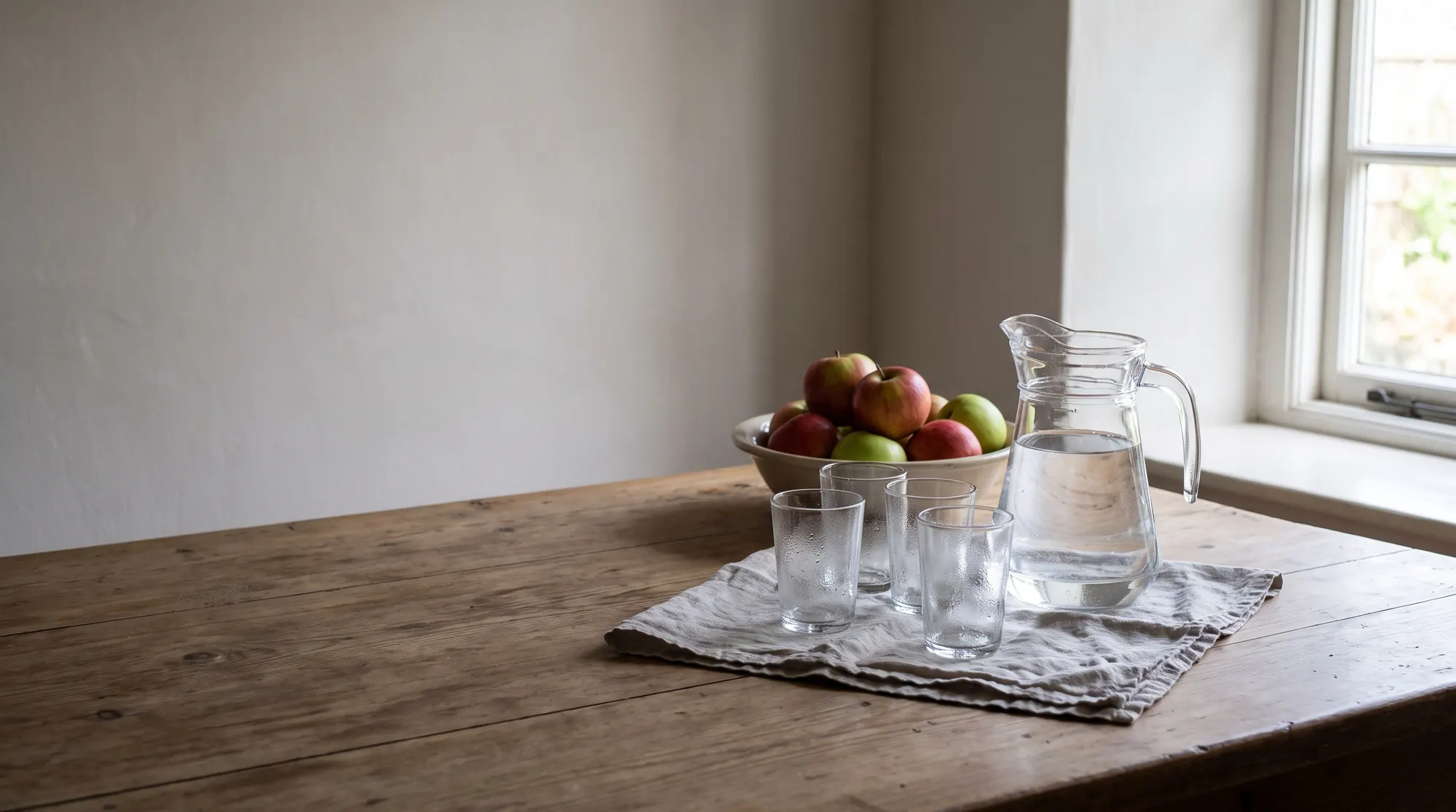
Water softener installations.
The softener that removes hardness: the LuxSoft, sized to your test and your household.
 WATER PROBLEMS
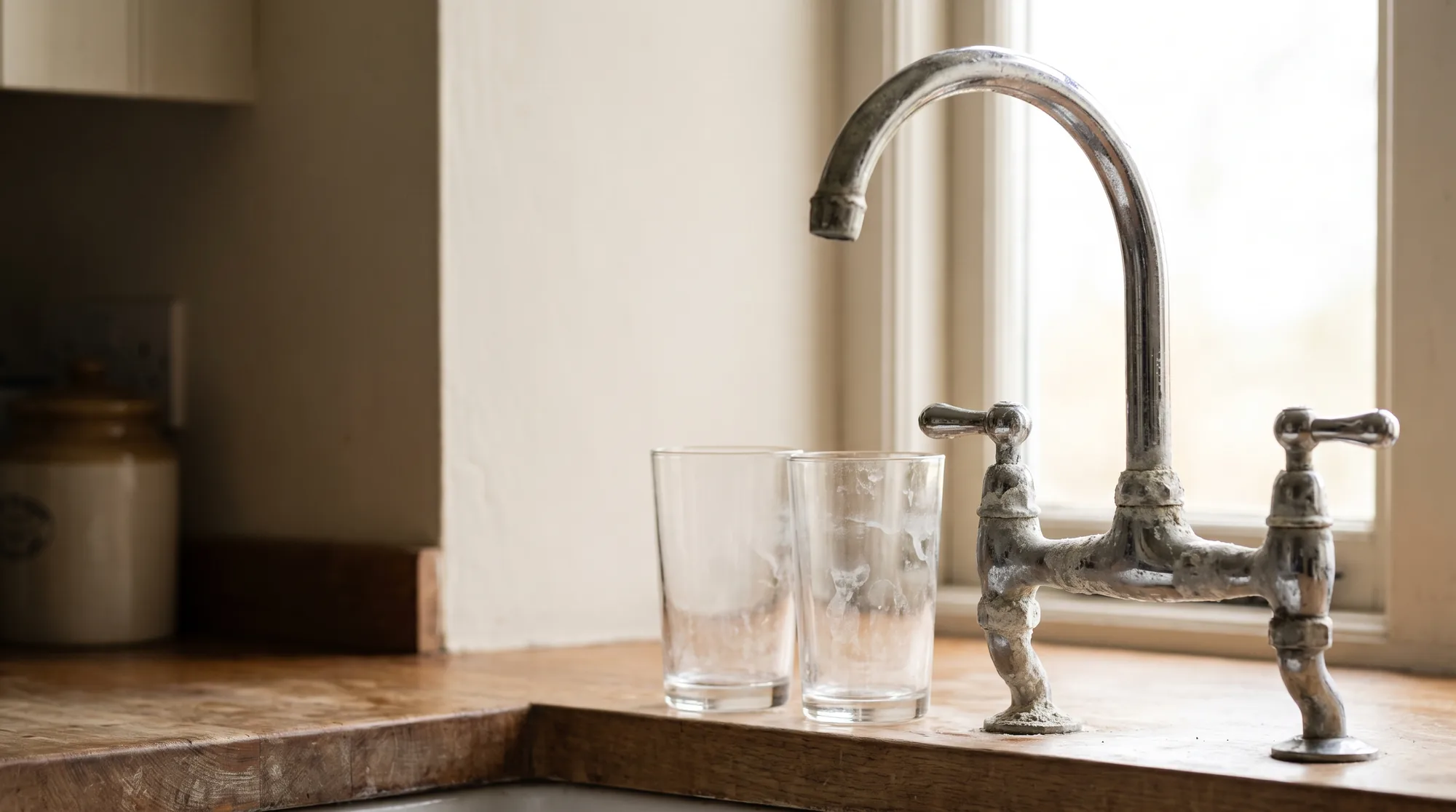
Do you have hard water?
The signs, the county record, and how to confirm it before choosing a system.
 WATER TESTING
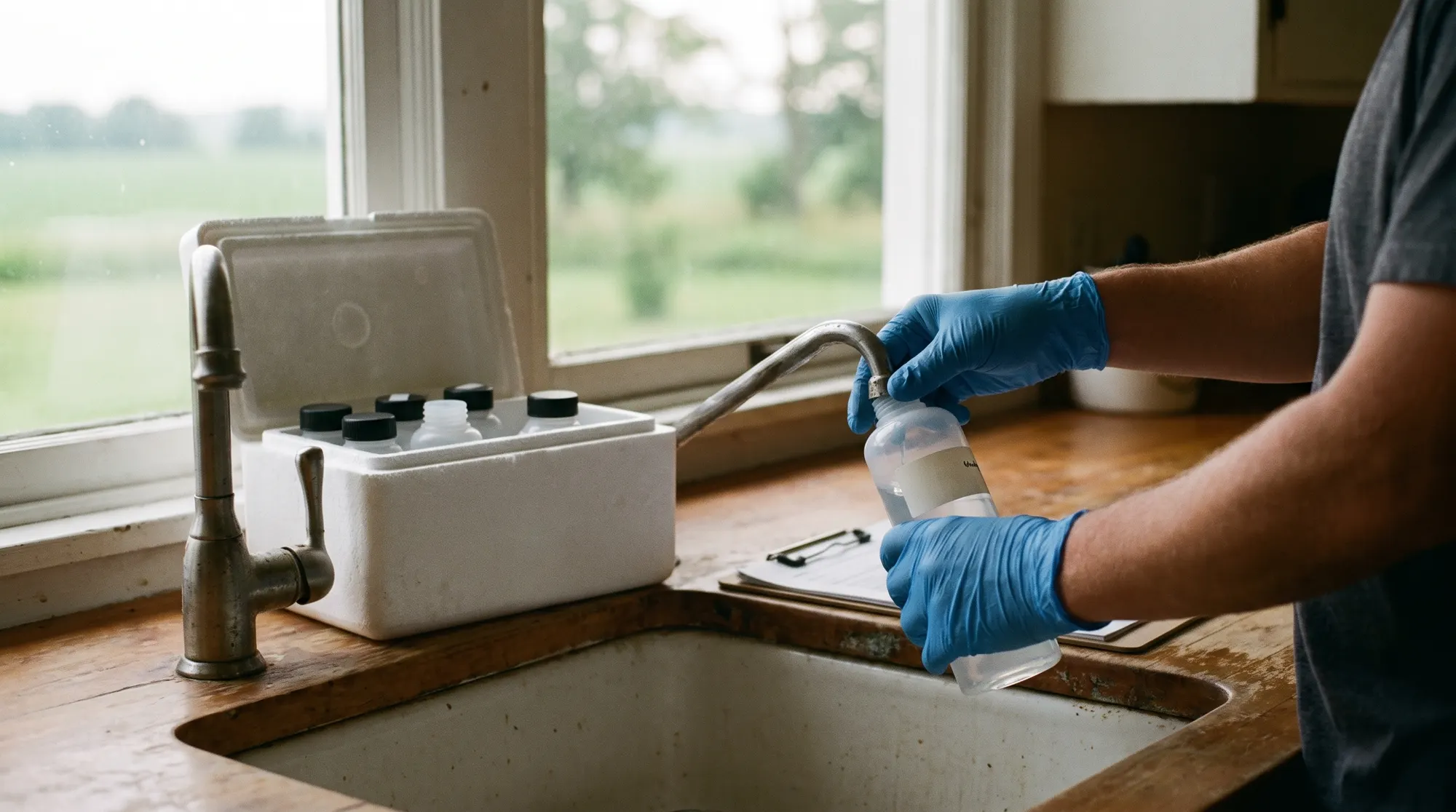
Water testing, explained.
What a test measures, what the results mean, and what happens next.
YOUR NEXT STEP
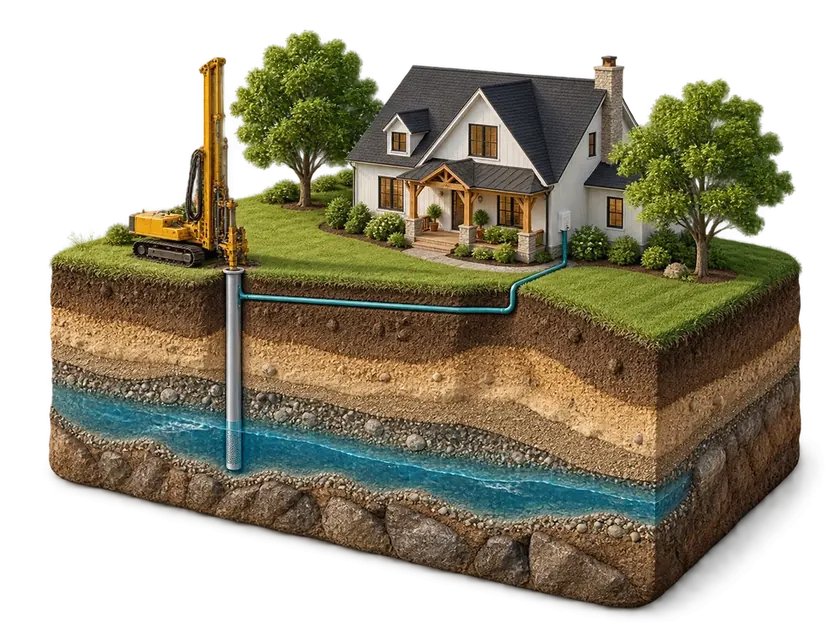
The Right Fit
Starts with a Test.
Call or fill out the form. We’ll test the hardness and the iron, ask what you want the water to do, and recommend the one unit that does it.