

WELL PUMPS · WESTERN PA & NORTHEAST OHIO
When it comes to preventing basement flooding and moisture buildup, a sump pump is your first line of defense. We install the Liberty Pumps line, with battery-powered models, system alarms, and portable units, so the basement stays dry rain or shine.
Serving our communities since 1967
It sits in a pit and waits, so a failure only shows itself during heavy water. Checking before a wet season is more useful than discovering the problem in one. There are five things to notice.
Schedule a sump pump check- FailedIt does not start when the pit fillsIt could be the float, the switch, or the motor. This failure shows up in the first heavy rain, which is the worst time to find it.
- FailingIt runs and never shuts offA stuck float, a check valve letting water fall back, or a pump too small for the water coming in.
- FailingGrinding, rattling, or a new noiseIt may be mechanical wear or debris in the pit. Have it checked before the wet season, not during it.
- FailedWater where it should not beDamp corners, a musty smell, or standing water at the pit mean the system is not keeping up, or not running at all.
- ExposedNo backup when the power goes outStorms take the power and bring the water at the same time. A battery-backup model keeps pumping through the outage.
- Battery backupKeeps pumping through a power outage, which is when the water usually arrives.
- Built-in alarmAn alert when the water level rises past where it should, before it reaches the floor.
- Portable modelsFlexible flood control for spaces a fixed pit does not serve.
- NOT THE WELL PUMP
- A sump pump moves groundwater away from the foundation
- The well pump delivers the drinking water supply
- Both are part of how water is managed on a property, and Chatfield services both
IS IT TIME?
Why It’s Time to Invest
in a Sump Pump.
Many homeowners don’t think about their sump pump until it’s too late. If your current system is outdated or underperforming, now is the time, before the wet season rather than during it.
HOW A SUMP PUMP WORKS
Groundwater In,
Groundwater Out.
A sump pump sits in a pit at the lowest point of the basement and waits. When water arrives, it moves it out and away from the foundation, on its own.
- 01
Water collects
Groundwater and drainage from around the foundation are channeled into the sump pit, the lowest point in the basement or crawl space.
- 02
The float rises
As the pit fills, a float rises with the water and trips the switch. The pump starts on its own, whether or not anyone is home.
- 03
The pump discharges
Water is pushed up the discharge line and out, away from the structure. A check valve keeps it from falling back into the pit when the pump stops.
- 04
Backup and alarm
When a storm takes the power, a battery-backup pump takes over. If the level keeps rising anyway, the built-in alarm says so before the water reaches the floor.
SUMP PUMPS
Sump Pumps in Pennsylvania
and Northeast Ohio.
At Chatfield Drilling, we provide professional-grade sump pumps in Pennsylvania and Northeast Ohio, featuring the dependable Liberty Pumps line, known for performance, durability, and peace of mind. Flooding and excess moisture can do serious damage to your home. A reliable sump pump helps keep water out and protects everything from your foundation to your appliances.
Why homeowners trust Liberty sump pumps
We install Liberty Pumps because they’re built to handle the toughest conditions. With a wide selection of battery-powered models, system alarms, and portable units, our sump pump systems are designed to protect your home, rain or shine.
The benefits of a working sump pump
- Flood prevention. Diverts water away from your home’s foundation.
- Mold and mildew control. Eliminates standing water, reducing health risks and structural damage.
- Pest and insect deterrence. Deters the pests that thrive in damp environments.
- Electrical safety. Keeps standing water away from wires and appliances, helping prevent electrical fires.
Sump pump features for PA and Ohio homes
- Battery backup options. Stay protected even during power outages.
- Built-in alarms. Get alerts when water levels rise.
- Portable models. Flexible flood control for a variety of spaces.
Why invest in a sump pump system from Chatfield
You get reliable flood protection for your home, less mold and mildew to threaten your health, and help preventing costly damage to personal property and electronics, with professional installation and service from a local team. The sump pump is separate from the well pump that delivers your drinking water. We service both.
The best sump pumps in Pennsylvania and NE Ohio
Don’t wait until water damage becomes a costly problem. We install and service sump pumps across ten counties:
HOW WE WORK
Assess the Setup.
Then Fit the Pump.
We’ll assess your current setup and recommend the best fit for your property, then install it properly: pit, power, and discharge.
- 01
Assess the setup
We look at the pit, the existing pump, the discharge route, and the power, whether the current system is outdated or underperforming, and what the property needs.
- 02
Choose the model
From the Liberty Pumps line: battery backup, a built-in alarm, or a portable unit for a space a fixed pit does not serve.
- 03
Install
Correct pit sizing, the electrical connection, and a discharge route that moves water away from the house without creating a new problem.
- 04
Test & record
The pit filled and the pump watched through a cycle, the alarm tested, and the installation written down.
A LITTLE CLARITY
Sump Pump Questions.
Straight Answers.
What does a sump pump do?
A sump pump removes water that collects in a sump pit, typically in a basement or crawl space, and discharges it away from the structure. It manages groundwater and drainage around a building. It is separate from a well pump, which delivers your drinking water supply, though both are part of how water is managed on a property.
Is it a problem if a house has a sump pump?
Not by itself. A sump pump indicates that a property manages groundwater or drainage, which is common in many areas and is often sensible construction rather than a warning sign. What matters is whether the system is in working order and appropriate for the conditions at that property.
How do I know if my sump pump is working?
Signs worth attention include a pump that does not activate when the pit fills, one that runs continuously, unusual noise, or visible water where it should not be. Because a failure often only becomes apparent during heavy water, checking before a wet season is more useful than discovering the problem during one.
How can I test my sump pump before the wet season?
Pour enough water into the pit to raise the float, and watch. The pump should start, empty the pit, and stop, and the water should not run back in when it does. If it does not start, runs on, or sounds wrong, call. That test needs no tools and touches no wiring. Anything beyond it is a service call.
Do I need a battery backup?
A storm brings the water and takes the power at the same time, which is the moment a plug-in pump stops. A battery-backup model keeps pumping through the outage, and a built-in alarm tells you when the level is rising past where it should. For a finished basement, the backup is usually the cheapest insurance in the house.
Do I need a professional to install a sump pump?
Installation involves electrical connections, correct pit sizing, and a discharge route that moves water away from the structure without creating a new problem. Chatfield handles sump pump work as part of its pump services. Call (724) 588-2652 to discuss a project.
Talk with the Chatfield team.
(724) 588-2652A LITTLE KNOWLEDGE GOES A LONG WAY
Know Your System.
 FIELD NOTES
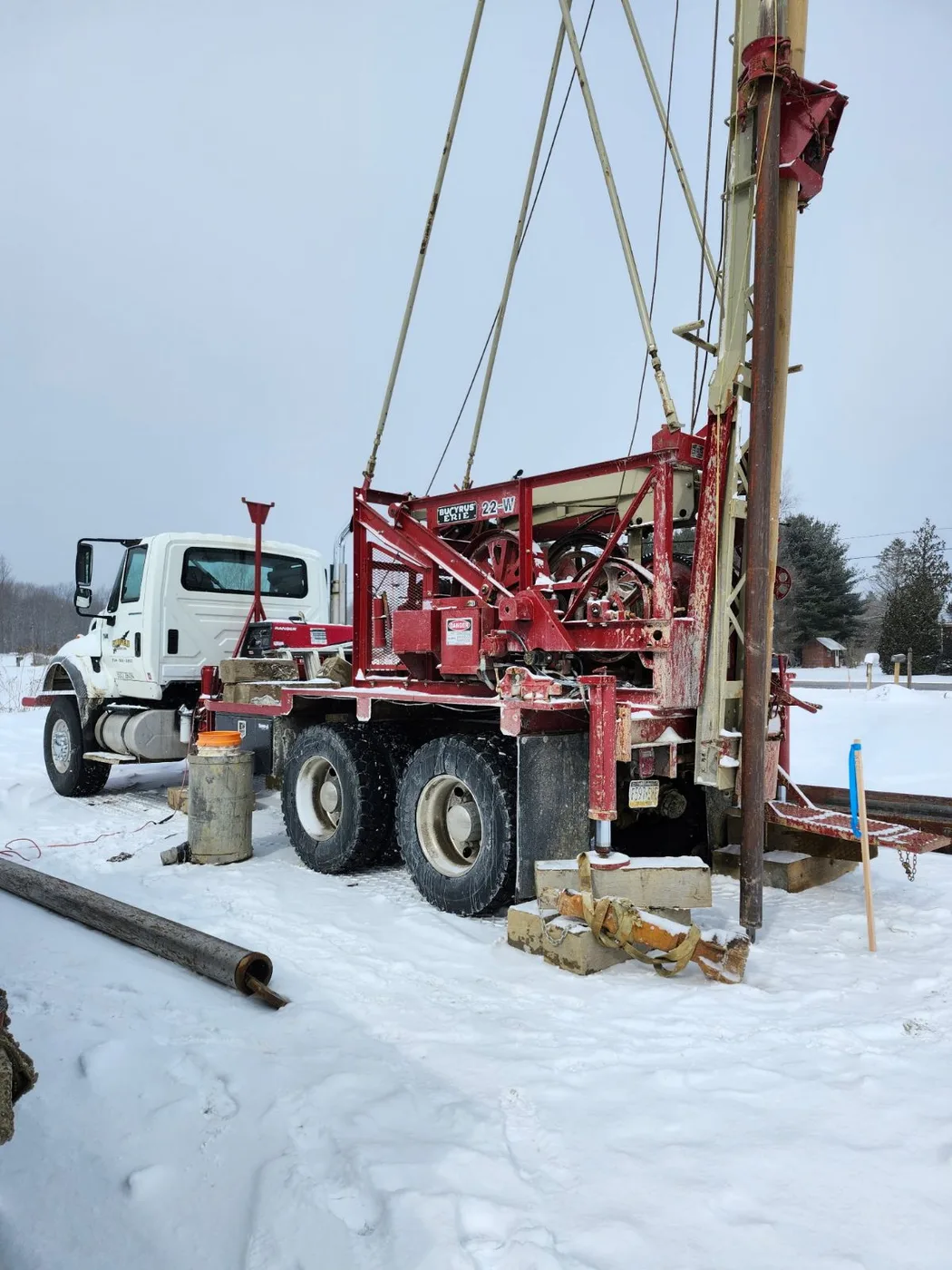
Winter well care.
How to protect the well, the pumps, and the pressure tank from freezing in a Pennsylvania or Ohio winter.
 WELL SERVICE
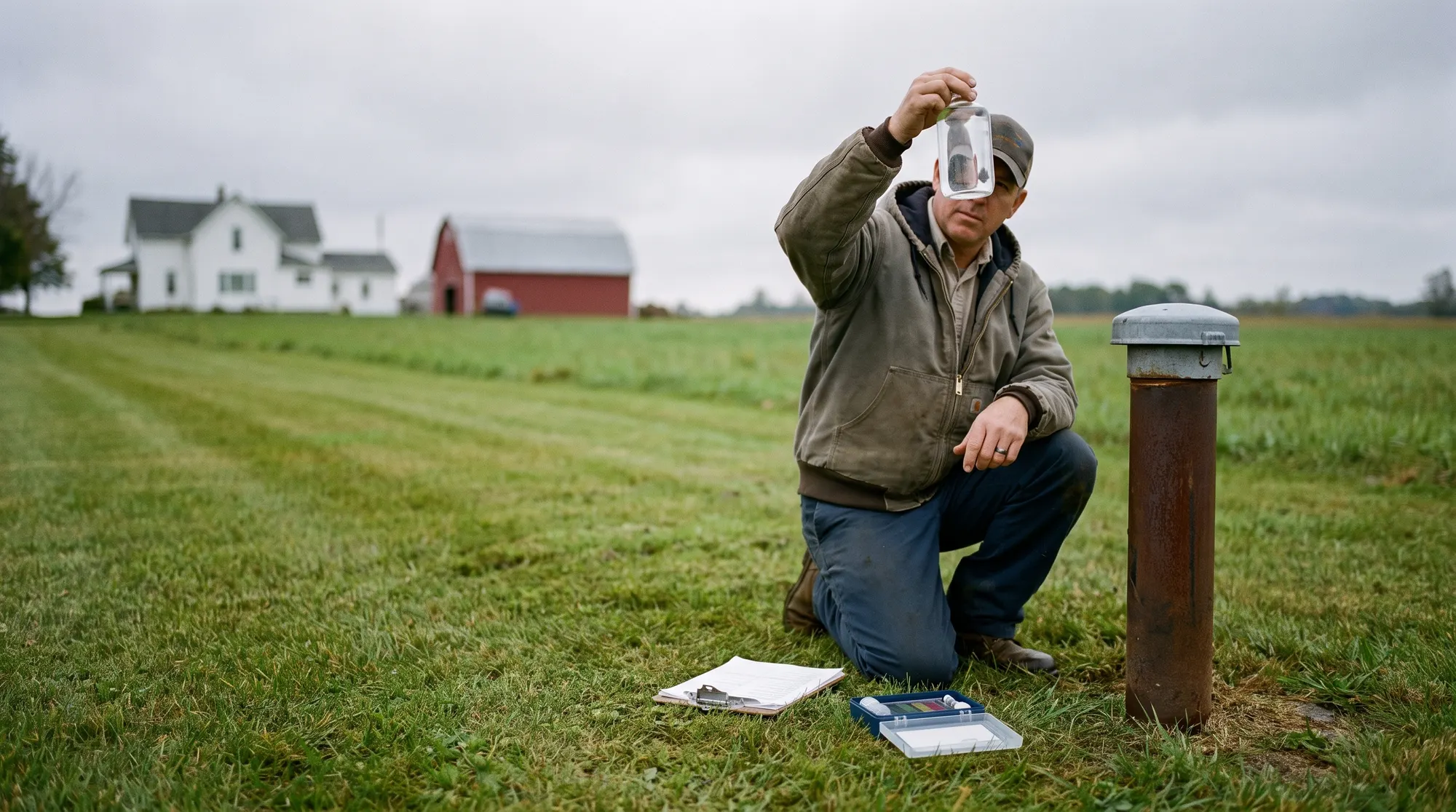
The annual well checkup.
The wellhead, the yield, the switch and tank, and the water itself, once a year.
 WELL PUMPS
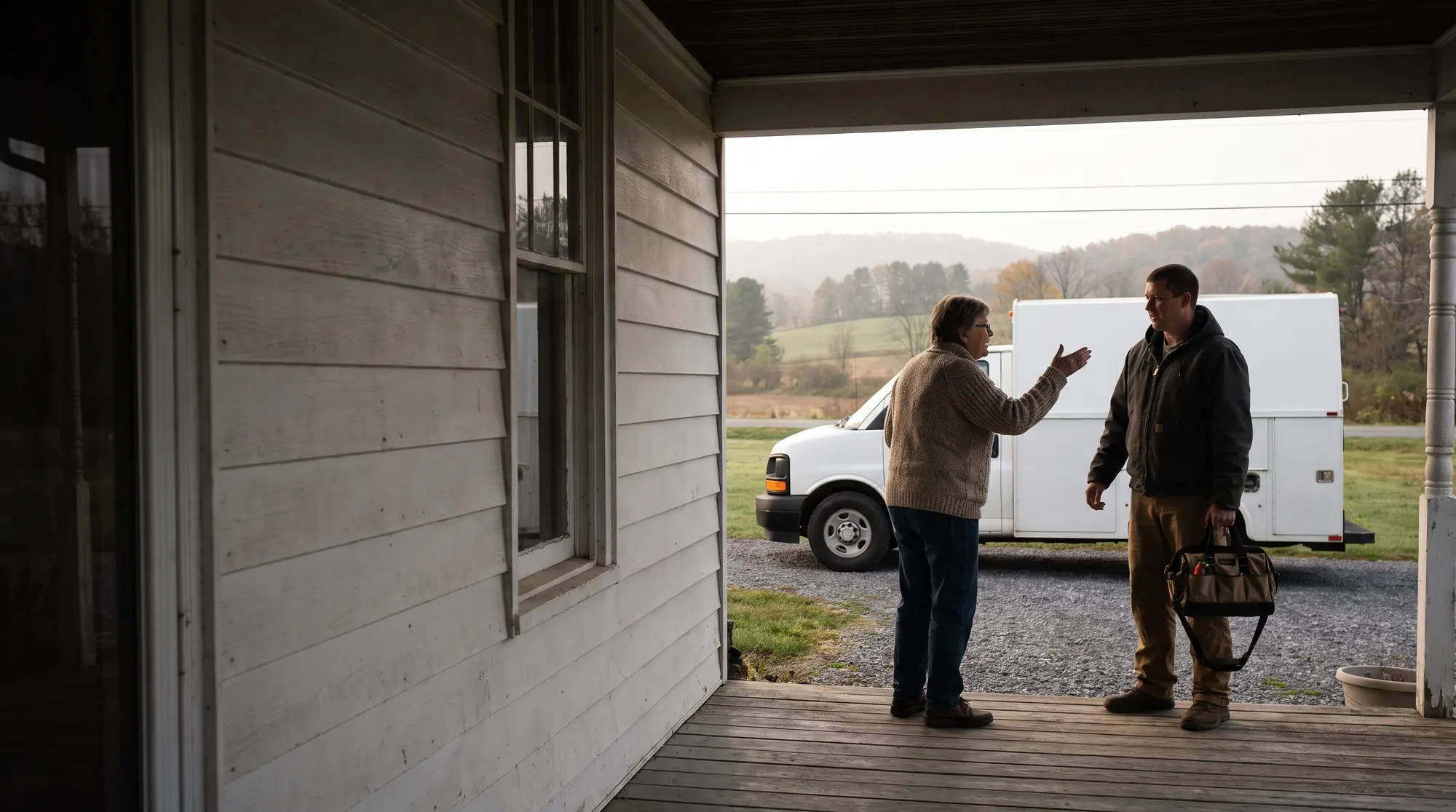
Pump repair.
Well pumps, sump pumps, boosters: find the cause, then fix the part.
YOUR NEXT STEP
Don’t Wait for
the Water.
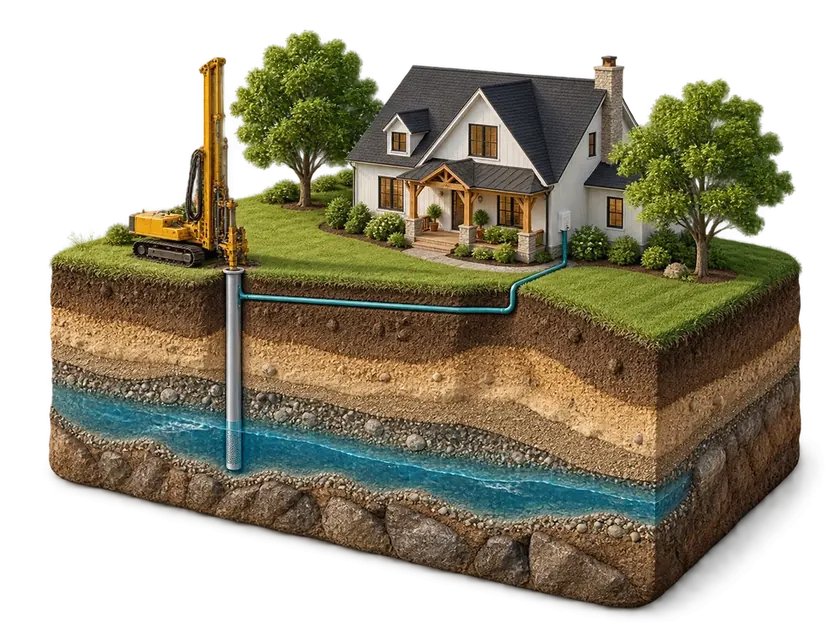
Contact Chatfield Drilling for expert guidance and installation of sump pumps in PA and NE Ohio, your partner in total water protection.