
CHATFIELD DRILLING · WELL SERVICE
A private well needs a regular checkup of the wellhead, the pump and tank, the yield, and the water itself, plus a call when something changes. We keep wells across Western Pennsylvania and Northeast Ohio running, and fix the ones that stopped.
Serving our communities since 1967
Most well problems develop slowly. An annual visit catches the change before it becomes an outage, and gives you a baseline to compare against.
Schedule a well checkup- Wellhead & capSealed, vermin-proof, and standing 18 to 24 inches above grade.
- YieldThe gallons per minute the well can still supply.
- Pump performanceFlow, pressure, and cycling compared with last year’s numbers.
- Pressure switch & tankNo waterlogging, no rapid cycling, a gauge that holds steady.
- Water testBacteria, nitrates, and the changes you can’t see or taste.
- RecordsConstruction, service, and test results kept for next time.
WELL SERVICE
What a Well Needs,
and When.
A well needs cleaning when the water turns, an inspection before you buy, a test once a year, and pump and tank work in between.
- CLEANOUTS & SHOCK CHLORINATION
Well cleaning
For turbid water, a falling yield, a new taste or odor, or a positive coliform test: debris and buildup out, the well disinfected.
EXPLORE - FOR HOME BUYERS
Well inspections
Buying a house with a well? Test the water, measure the flow rate, and know what you’re signing for before you sign.
EXPLORE - ONCE A YEAR
Water testing
Bacteria, nitrates, hardness, iron, and pH, on site or through a certified lab, and what the results mean.
EXPLORE - WHEN THE WATER STOPS
Pump repair & replacement
Low pressure, no water, a pump that runs constantly: diagnosed across the pump, controls, tank, and plumbing.
EXPLORE - PRESSURE & CYCLING
Pressure tank service
Waterlogged tanks repaired or replaced so the pump stops short-cycling and the pressure holds.
EXPLORE - A COMMON CALL
Slime-forming bacteria
The slime in the toilet tank and on the fixtures: what it is, where it comes from, and what a cleaning does about it.
EXPLORE
PROTECT THE SOURCE
Seven Habits
of a Healthy Well.
Having your own well means owning a natural resource, and the responsibility that comes with it. Neglect leads to contamination, costly repairs, and health problems. A little attention each year prevents most of it.
- 01
Inspect annually
A yearly checkup of the well’s condition, signs of damage or wear, and the water quality. Problems caught early cost less to fix.
- 02
Test the water every year
Test for bacteria, nitrates, and arsenic at least, and more often after flooding, well work, or a change you can taste or see.
- 03
Protect the wellhead
Keep a sealed, vermin-proof cap on it and the area clear of debris, chemicals, and fuel. Keep fertilizer and pesticide away, and don’t plant a tree beside it. A wellhead below grade gets extended 18 to 24 inches above it.
- 04
Maintain the whole system
The pump, the pressure tank, and the piping wear too. Check the tank periodically.
- 05
Know your surroundings
Your well draws from an aquifer that neighbors share. Heavy pumping, agriculture, or industry nearby can change your water. Tell us if it does.
- 06
Dispose of hazards properly
Paint, chemicals, and used oil never go down a drain or near the well. Use your community’s collection programs.
- 07
Keep records
Keep construction, maintenance, and test results together, for the next repair and the next owner.
WELL MAINTENANCE & REPAIR
Keep Your Water Running with Proper Well Maintenance.
Chatfield provides dependable well maintenance for homes and properties across Pennsylvania and Ohio. The goal is consistent access to safe, clean water, by keeping the well system running efficiently and catching wear before it becomes a failure.
Why regular maintenance matters here
Over time a well system wears. The casing and cap, the pump, the pressure tank, and the water itself can all change. Routine maintenance prevents costly breakdowns and keeps the water clean and reliable, whether you’re in Mercer, Grove City, Meadville, Canfield, or Cortland.
- Adequate water flow. Prevent low yield and keep the supply to your home or business where it should be.
- Clean and safe water. Regular testing identifies contaminants and confirms the water is safe to drink.
- Damage prevention. Addressing issues early avoids costly repairs and system failures.
- Pump longevity. A pump that cycles properly and runs against a healthy tank lasts longer.
- A maintenance baseline. Performance tracked over time, so change is visible.
Everything on the service truck
- Water testing and sampling. Contaminants, bacteria, and changes in water quality.
- Shock chlorination. The well disinfected and harmful bacteria eliminated.
- Well cleanouts. Debris, sediment, and buildup removed from inside the well.
- Pressure tank service. Waterlogged tanks repaired or replaced to restore pressure.
- Pump repair and replacement. Low-pressure and failed pumps diagnosed and fixed.
- Liner installation. Well walls reinforced against collapse and contamination.
- Yield testing. Confirming the well can meet your household’s demand.
- New equipment installation. Outdated or damaged well components replaced.
- Routine inspections. Small issues caught before they become costly ones.
“Chatfield Drilling replaced a submersible pump, extended our well casing above ground, and installed a sanitary cap at our farm house. This is our first experience with a well. They were on time, sent reminders ahead of time, and told us who would be arriving. Amazing to deal with, thank you!”
The unseen guardian
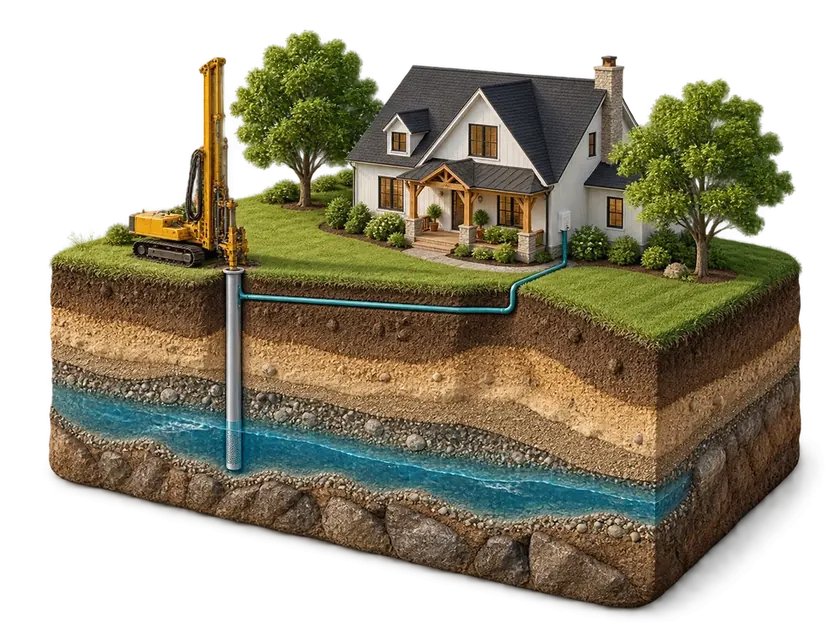
Your well quietly goes about its business, drawing water from the depths for the household. Over the years it faces wear in the pump, mineral build-up, and the infiltration of contaminants. A routine checkup, like a doctor’s visit for the well, catches these early, before they become significant, costly problems. Some of that care is yours to do, and some of it needs someone who understands wells.
A SERVICE VISIT
Inspect. Test.
Correct. Record.
Tell us what you’ve noticed, or just book the checkup. The visit starts from there.
- 01
Inspect
The wellhead and cap, the pump’s behavior, the wiring, the pressure switch and tank, and the gauge.
- 02
Test
A water sample, on site or through a certified lab, and a yield test where the flow has changed.
- 03
Correct
Shock chlorination, a cleanout, a pump or tank repair, or a liner, depending on what the inspection found, explained first.
- 04
Record
The numbers from this visit become the baseline for the next one, and you get a copy.
A LITTLE CLARITY
Good Questions.
Straight Answers.
A change in the water or the pump is usually the first sign. Here is what to watch for.
Talk with the Chatfield team.
(724) 588-2652What maintenance does a private well need?
Routine care generally includes annual inspection and water testing, attention to the condition of the wellhead and cap, and monitoring for changes in flow, pressure, clarity, taste, or odor. Chatfield’s maintenance services include water testing and sampling, shock chlorination, well cleanouts, pressure tank service, pump repair and replacement, liner installation, yield testing, and routine inspections.
When should I schedule well service?
Schedule service if you notice low or inconsistent water flow, cloudy or discolored water, low water pressure, unusual tastes or odors, or a pump that runs constantly or fails to turn on. Catching a change early is generally less costly than addressing a failure, and describing what you observed is more useful than trying to identify the component responsible.
How do I know when my water well is going bad?
Signs worth reporting include a drop in water pressure or flow, a pump that cycles rapidly or runs constantly, air spitting from faucets, water that turns cloudy or turbid, sediment or grit appearing at fixtures, new tastes or odors, or a water test that comes back positive for total coliform. A decrease in the well’s capacity, the gallons per minute the pump can supply, is a particularly useful thing to notice. Record what you observe and when rather than trying to identify the failed component.
How often should well water be tested?
Testing annually for common contaminants is ordinary private-well practice, with more frequent testing where circumstances warrant it, such as after flooding, well work, or a noticeable change in the water. Many contaminants are invisible, so a visual inspection is not a substitute for a test.
How do I protect my wellhead?
Keep the wellhead sealed with a vermin-proof cap and the surrounding area clear of debris, chemicals, fuel, and heavy equipment. Avoid fertilizers and pesticides near the well, and do not plant trees beside it. Where a wellhead sits below grade, Chatfield recommends extending it 18 to 24 inches above grade so surface water does not wash in. Report visible damage rather than attempting a repair.
How long does a water well last?
Service life varies widely with construction, geology, water chemistry, and maintenance, so an average figure is not much use for planning. What is more practical is watching for change: declining capacity, new odors or turbidity, or rising pump cycling are more informative than the well’s age. Periodic well system checkups are what turn a gradual decline into something you can address before it becomes an outage.
A LITTLE KNOWLEDGE GOES A LONG WAY
Know Your Well.
 WATER PROBLEMS
Slime in the toilet tank?
What slime-forming bacteria are, where they come from, and what treatment looks like.
 WATER TESTING
A positive coliform result.
What the result means for a private well, and what happens next.
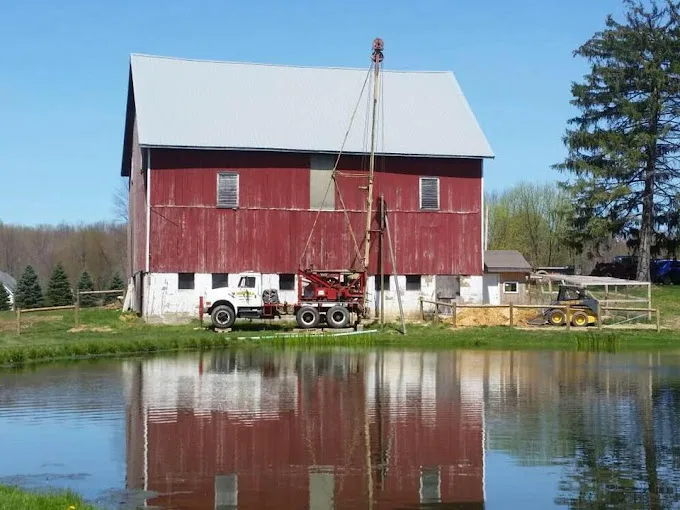 WELL SERVICE
Casing and cap: signs to watch.
When a well casing or cap needs professional attention, and why the wellhead matters most.
YOUR NEXT STEP
When Did Your Well
Last Get a Checkup?
If you’re not sure, it’s probably time. Tell us what you’re noticing, or just book the visit. An annual checkup is how small problems stay small.