Private well water doesn’t come with a monthly report from a utility company. What it does come with is a responsibility to pay attention. In western Pennsylvania, where groundwater chemistry varies widely from one township to the next, recognizing the early warning signs of a water quality problem can protect your family’s health and save you from expensive repairs down the road.
The good news: most well water problems reveal themselves long before they become serious. Your senses—sight, smell, and taste—are powerful diagnostic tools. Here are the five most common warning signs we see in Mercer County and across the western PA region, and what each one usually means.
How to Know If Your Well Water Has a Problem
Unlike municipal water systems, private wells aren’t subject to routine government testing. The EPA recommends annual testing, but many homeowners go years without checking their water quality—sometimes discovering a problem only when a symptom becomes impossible to ignore.
The best approach is regular testing (more on that in a moment), but between tests, your daily experience with the water is your most immediate feedback loop. Changes in color, odor, taste, or the condition of your plumbing fixtures are all worth investigating.
5 Warning Signs Your Well Water Needs Treatment
1. Rotten Egg Smell
A sulfur odor—often described as rotten eggs—is one of the most alarming smells coming from a faucet, and one of the most common complaints we receive from well owners in Mercer County. The culprit is almost always hydrogen sulfide gas, which forms naturally when sulfur-reducing bacteria interact with organic matter or sulfur compounds in groundwater.
In western Pennsylvania, hydrogen sulfide is particularly common in deeper wells that pass through shale formations. The smell may be strongest first thing in the morning (when water has sat in the pipes overnight) or only from the hot water side (a sign that bacteria may be growing in your water heater rather than in the well itself).
Left untreated, hydrogen sulfide can corrode copper and brass plumbing components. Treatment options include continuous chlorination systems, aeration, or catalytic carbon filtration—the right choice depends on concentration levels from a water test.
2. Orange or Brown Staining
If your sinks, toilets, and laundry have rust-colored stains, elevated iron is almost certainly the cause. Iron in well water is extremely common throughout Mercer, Crawford, and Venango counties, where the geology naturally releases iron into groundwater.
Iron staining is more than a cosmetic nuisance. High iron levels can make water taste metallic, clog plumbing and appliances over time, and ruin laundry. Iron bacteria—a separate but related problem—can create thick, slimy deposits in pipes and pressure tanks that are difficult to remediate once established.
There are two forms of iron in well water: ferrous iron (dissolved, invisible in the glass) and ferric iron (oxidized, causes visibly rusty water). The type determines the treatment. A water softener handles low levels of ferrous iron; higher concentrations or ferric iron typically require an iron filter, often combined with oxidation. A proper water test will tell us exactly what you’re dealing with.
3. Cloudy or Murky Water
Turbidity—cloudiness in your water—can have several causes, some minor and some serious. After a heavy rainstorm, brief turbidity can indicate surface water intrusion into the well, which may signal a casing integrity problem or inadequate grouting around the surface casing. This is the most serious scenario and warrants immediate testing for coliform bacteria.
Persistent cloudiness unrelated to weather events may indicate suspended fine sediment, air entrainment in the pump, or in some cases, methane gas from underlying formations—a real concern in parts of western PA with oil and gas history.
Never ignore cloudy water. If it clears after running the tap for a minute or two, it may be harmless air. If it persists or appears after rain, get a bacterial test done promptly.
4. Hard Water Scale
Hard water is the most widespread water quality issue in Pennsylvania. If you’re seeing white or gray crusty buildup around faucets, showerheads, and the heating elements of your water heater and dishwasher, your water has elevated calcium and magnesium—the minerals that define water hardness.
Hard water doesn’t pose a direct health risk, but its effects on your home can be costly. Scale buildup reduces water heater efficiency and shortens appliance lifespan. It leaves a film on dishes, makes soap lather poorly, and contributes to dry skin and hair.
In Mercer County, water hardness varies significantly by location. Properties drawing from limestone-influenced aquifers tend to have the hardest water. A whole-home water softener is the standard solution and typically pays for itself within a few years through reduced soap usage and appliance protection.
5. Unusual Taste
Water should taste like nothing. Any distinct taste—metallic, salty, bitter, or chemical—is a signal worth investigating.
- Metallic taste: Usually iron or manganese; can also indicate corroding copper pipes
- Salty taste: May indicate chlorides or sodium, sometimes from road salt infiltration near high-traffic areas or from a malfunctioning water softener regenerating into the water supply
- Musty or earthy taste: Often associated with iron bacteria or organic matter in the well
- Chemical taste: Potentially the most serious—could indicate agricultural runoff, petroleum compounds, or industrial contamination. Test immediately.
Taste problems are often the last thing homeowners notice because we adapt to our water gradually. If guests mention a taste in your water that you no longer notice, that’s a meaningful data point.
What Treatment Options Are Available
The right treatment depends entirely on what’s in your water—which is why we always start with a comprehensive water test before recommending any equipment. Common treatment technologies we install in western Pennsylvania include:
- Water softeners: Ion exchange systems that remove hardness minerals (calcium, magnesium) and low-level ferrous iron. Require periodic salt replenishment.
- Iron filters: Oxidizing filters (often using greensand, Birm, or air injection) that remove iron and manganese. Can handle higher concentrations than softeners.
- Chlorination systems: Continuous or batch chlorination for hydrogen sulfide and bacterial contamination, usually paired with activated carbon to remove the chlorine taste before the tap.
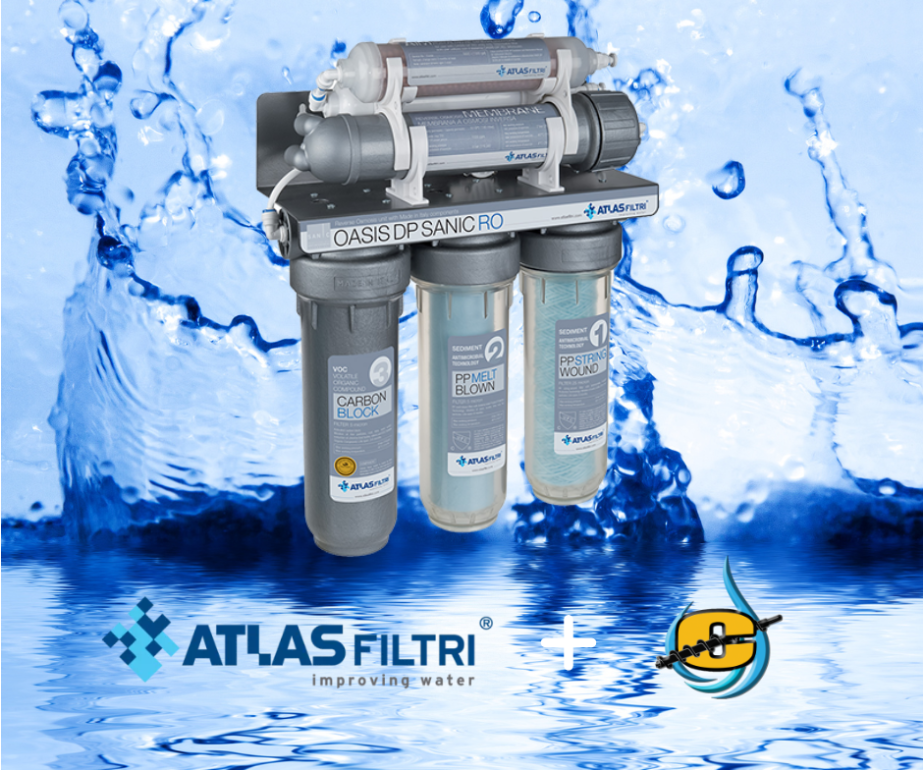
- Reverse osmosis: Point-of-use systems that remove a wide range of contaminants including nitrates, arsenic, and most dissolved solids. Ideal for drinking and cooking water when whole-home treatment isn’t practical.
- UV disinfection: Ultraviolet light systems that kill bacteria and viruses without chemicals—an excellent add-on for wells with any history of coliform issues.
- Sediment filters: Simple but essential first-stage filtration that protects downstream equipment from physical particles.
Many Mercer County homes need a combination system—for example, an iron filter followed by a softener and UV—because well water problems rarely travel alone.
FAQ
Q: which factors does well water treatment impact in Pennsylvania?
Q: Can I buy a water test kit at the hardware store?
A: Basic test strips can give a rough sense of pH, hardness, and chlorine, but they won’t detect bacteria, arsenic, nitrates, or the full mineral profile you need to make treatment decisions. We recommend a certified lab test through Penn State Extension or a state-certified lab. We can collect the sample during a site visit.
Q: My water has always smelled. Does that mean it’s always been unsafe?
A: Not necessarily—hydrogen sulfide, for example, is objectionable but not a direct health hazard at the levels typically found in residential wells. However, odor issues can mask other problems, and some contaminants (like arsenic or nitrates) have no smell at all. Regular testing is the only way to know what’s actually in your water.
Q: How long does water treatment equipment last?
A: Quality water softeners and iron filters typically last 15–20 years with proper maintenance (annual check, periodic media replacement). UV systems need a new lamp annually. Reverse osmosis membranes last 2–5 years depending on water quality. We offer maintenance contracts for all equipment we install.
Concerned about your well water? Chatfield Drilling offers free water quality consultations and testing referrals for homeowners across Mercer County and western Pennsylvania. Don’t wait for a problem to become a crisis—contact us today to schedule your water quality assessment. We serve Mercer, Crawford, Venango, Erie, and Lawrence counties.