Private well water test results can be hard to read without context. A report may contain unfamiliar terms, units, and recommendations, while the homeowner is trying to answer a much simpler question: what should I do next? The responsible next step is usually not to choose equipment from one line on a report. It is to understand what was tested, why it was tested, and what questions still need to be answered.
Chatfield Drilling works with private-well households in its Pennsylvania and Ohio service area. This guide is a question list for a test-first conversation. It does not interpret a specific lab report, declare water safe or unsafe, recommend a system, or guarantee that any treatment will achieve a particular result.
Begin with how the sample was collected
Before focusing on a result, look at the sample information. When was it collected? Who collected it? What instructions were followed? Which fixtures or water sources were involved? Was the test ordered because of a visible change, a service recommendation, a household concern, or routine planning?
These questions matter because a report is part of a larger picture. Penn State explains that drinking-water testing should be selected for the question at hand and that appearance by itself is not a complete measure of water quality. Its guidance is a useful background resource for a homeowner who is deciding what to ask next: Penn State drinking-water testing guidance.
Keep the original report intact. If someone gives you an explanation over the phone, write down the date, the person or organization, and the follow-up they suggested. A note that preserves the question is more helpful than an unsupported conclusion written in the margin.
Ask what the test does and does not answer
A test report can answer only the questions covered by its sample and analysis. Ask which substances, conditions, or indicators were included and which were not. If the household noticed an odor, staining, pressure concern, or a change limited to hot water, ask whether the report addresses that observation or whether a different question needs to be explored.
Do not assume that a clear result on one item explains every concern in the home. Likewise, do not assume that one unusual result explains every fixture, appliance, or household symptom. Private wells and home plumbing systems vary, and a responsible review keeps the scope of the report visible.
It can help to make two columns: “results we understand” and “questions we still have.” The second column is the reason for a conversation with a qualified well or water-treatment professional. It is not a sign that the household has failed to understand the report.
Connect the report to household observations
Bring a short observation record to the review. Note where a concern appears, when it began, whether it affects hot water, cold water, or both, and whether it is present throughout the house or only at one location. These observations do not diagnose a cause. They help someone decide whether the testing question matches the household’s experience.
For example, Penn State notes that an odor can have different sources depending on whether it occurs in hot water, cold water, or both. Its guidance on hydrogen sulfide odor is a useful reminder not to turn a smell into a remote diagnosis: Penn State odor guidance.
Avoid changing equipment, adding products, or attempting a repair before the review. The goal is to give a provider good information, not to create another variable that makes the original observation harder to understand.
Ask how results relate to the household’s goal
Water treatment is not one universal goal. A household may be trying to understand a test result, address a visible concern, improve confidence in a particular use, or maintain an existing system. State the goal plainly and ask how the result relates to it.
Questions to bring include:
- What question did this test answer, and what question is still open?
- Does the report need to be considered with plumbing, equipment, or well history?
- Is further testing, an inspection, or a different sample approach needed before treatment is discussed?
- Which current system options are relevant to the household’s goal?
- What maintenance and documentation questions should be asked before a decision?
These questions invite explanation without requiring a provider to promise an outcome from a single report. They also help the household avoid treating an online product description as a substitute for a property-specific review.
Compare treatment discussions carefully
If a provider recommends exploring treatment, ask why that option is being considered and what information supports it. A useful explanation should connect the option to the test, the household goal, the existing system, and the maintenance expectations. It should also make clear which details require further confirmation.
The starting point may be a tailored water treatment conversation, not a predetermined purchase. Write down the proposed option, the problem it is intended to address, the evidence discussed, the equipment space or flow questions that remain, and the maintenance information that should be reviewed.
Do not compare systems only by a label such as “whole-house” or “filter.” Those labels do not by themselves establish whether an option fits the property, the test findings, or the household’s needs. Ask what treatment scope is being discussed and what the system would require from the homeowner over time.
Keep treatment and maintenance questions separate
A proposed system may have its own maintenance requirements, and those requirements are not automatically the same for every household or every filter. Ask where the manufacturer guidance is located, what records should be kept, and what change in performance should prompt a service conversation.
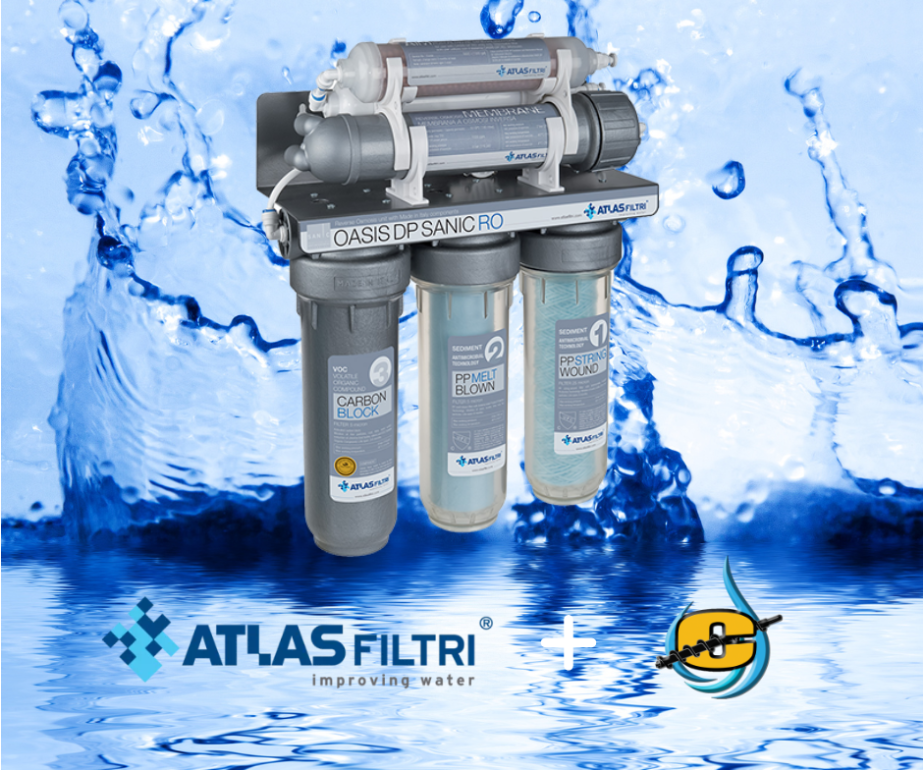
The well-water filter options page can support a current discussion of filtration scope, but it should not be used to select equipment without the relevant testing and system context. Do not assume that a device designed for one concern addresses every possible concern in a private-well home.
If the household already has treatment equipment, keep its service history with the new test report. The history may be useful to a provider, but it should not be used to declare that an existing device is working or failing without an appropriate review.
Plan the next conversation, not the final answer
At the end of the review, write down the next action in one sentence. It might be “ask which additional testing question fits the hot-water-only observation,” “schedule a service conversation with the current reports,” or “locate the treatment-system manual.” A small, clear next step prevents a report from being filed away without resolving the household’s actual question.
If the concern involves an immediate safety issue, visible damage, or a condition that makes normal water use uncertain, seek qualified local guidance promptly. The appropriate response depends on what is observed and should not be determined from a generic article alone.
The practical takeaway
Private well water test results are most useful when they lead to better questions, not a rushed conclusion. Keep the full report, record what was observed at home, ask what the test covers, and discuss any treatment option in the context of the property and the household’s goal. Chatfield Drilling can help start that test-first conversation with the records in view.
Sources and review notes
This draft cites Penn State guidance for the limited claims about testing scope and hot-versus-cold odor observations. Before publication, a reviewer must verify internal links, attach the required featured image, and confirm all service-page wording.