A private well maintenance record is not exciting paperwork, but it can make a future service conversation much more productive. When a household notices a change in water, considers water treatment, schedules work, or simply wants to understand its system better, the useful details are often scattered across a drawer, an email inbox, and a fading memory.
Chatfield Drilling serves private-well households across its Pennsylvania and Ohio service area. Each property has its own well, plumbing, water use, and history, so one neighbor’s records cannot stand in for another household’s information. This guide explains what to keep and why. It does not diagnose a condition, prescribe maintenance intervals, or tell a homeowner how to repair equipment.
Start with a property-and-system summary
Create one page that identifies the property and the basic system information you already have. Include the property address, the names of any previous owners or service providers whose records you possess, and the date you began keeping the file. If you have a well completion record, equipment manual, or prior service report, note where it is stored rather than copying uncertain details into a new document.
Keep the summary factual. It is fine to write “submersible pump information is in a 2024 invoice” or “water-treatment model information is on the equipment label.” It is not helpful to guess at well depth, yield, pump age, or water quality. A record is valuable because it preserves what is known and makes uncertainty visible.
If the household is new to private-well ownership, start with the paperwork that came with the property. The file can grow over time. A simple, accurate record is better than an elaborate binder built from assumptions.
Save water-testing reports with the collection details
Keep the complete report from each water test, not only a photo of the result. Record the collection date, the laboratory or organization that produced the report, the reason for the test, and any instructions you were given about sample collection. These details can matter when someone later tries to understand how one result relates to another.
Appearance alone does not establish water quality, and testing should be selected based on the household’s questions, the well history, and local factors. Penn State’s drinking-water testing guidance explains why a testing approach should fit the concern instead of relying on a single visual observation. Keep a link or copy of the guidance with the record: Penn State drinking-water testing guidance.
Do not write a conclusion into the file just because a result contains a technical term. Put the report beside the notes from the provider who reviewed it. If a recommendation is made, record what question it was intended to address and what further confirmation was suggested.
Write down observations without naming a cause
An observation log is one of the most useful parts of a private well maintenance record. Note what changed, when it was first noticed, and where it appears. A household might record that a stain is visible in a specific fixture, an odor appears only with hot water, or water pressure seems different at a certain time. These notes do not identify a cause, but they give a service professional a clearer starting point.
Use neutral language. Write “orange mark in upstairs sink after several days” instead of “iron problem,” or “pressure seems lower after a power interruption” instead of “pump failure.” Private-well symptoms can have more than one contributor, and the record should not harden a guess into a diagnosis.
Photos can be useful when they are dated and labeled with the location. Do not take risks to get a photo. A note from a safe observation point is enough when equipment, wiring, wet surfaces, or a wellhead condition raises a concern.
Keep every service report and recommendation together
Store invoices, inspection reports, test interpretations, and written recommendations in chronological order. Add a short note for each: what question prompted the visit, what the provider observed, what was done, and what follow-up was suggested. Use the provider’s wording when it matters instead of translating a technical recommendation into a guess.
For example, a record might say that a provider reviewed an existing treatment system and recommended checking manufacturer guidance before making a change. That is more useful than a vague note that the system was “fixed.” If a component was replaced, include the model or item number from the invoice when available.
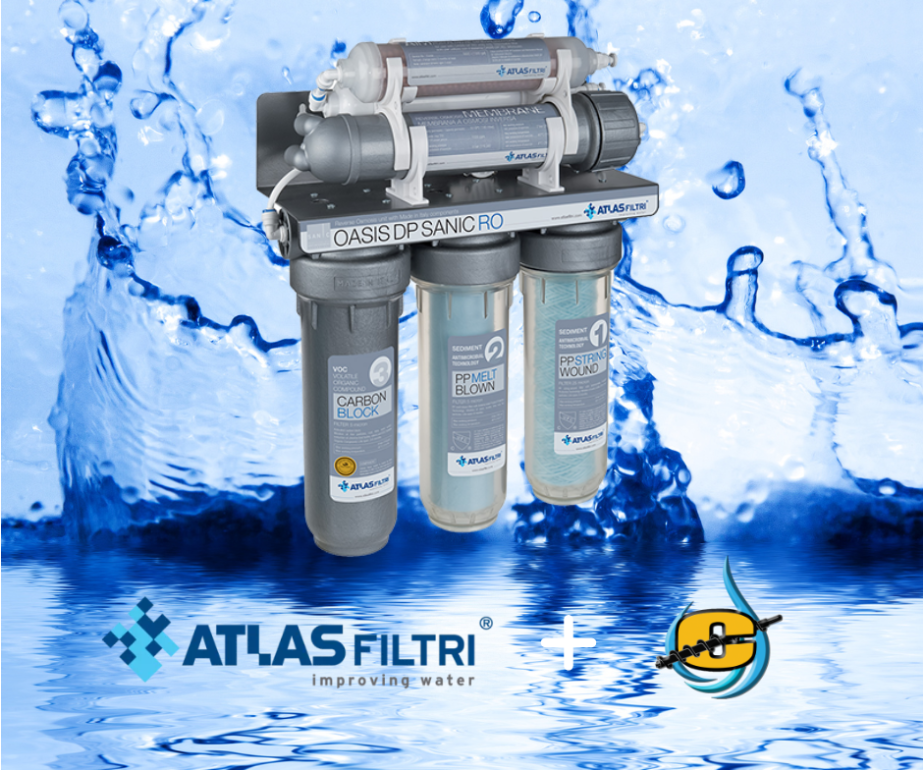
Keep water-treatment notes with the related testing records. A treatment option should be discussed in the context of the property’s goals, system conditions, and test information. The custom water treatment solutions page is a useful place to begin a current service conversation, but it does not replace a property-specific assessment.
Include a safe wellhead observation log
The wellhead record should be limited to visible, safe observations. From a safe distance, note changes such as a visibly damaged or loose cap, an apparent casing issue, or drainage that appears to move toward the well area. The Pennsylvania Department of Health private-well factsheet supports attention to damaged casing or caps and drainage away from the wellhead: private-well factsheet.
Do not open a well cap, enter a well area, touch controls, or attempt a repair to make the record more complete. The purpose is to document what a homeowner can safely see and give the information to the appropriate professional. A photo is optional; a dated note can be enough.
This log is especially helpful after major weather, property work, or a period when the home was unoccupied. It should not be used to claim that any event caused a well condition. It simply provides a timeline for a service conversation.
Make records useful before a drilling discussion
If the household is considering a new well, a replacement discussion, or a property development question, gather the existing records before contacting a provider. Prior reports, property maps, notes about current water use, and questions about the household’s goals can help frame a conversation about residential well drilling information.
The record does not predict depth, yield, impact, schedule, permitting, or feasibility. Those are property-specific matters that need appropriate evaluation. It does help the household explain what it already knows and avoid repeating the same history each time a question is raised.
Keep separate lists for facts, questions, and hoped-for outcomes. A fact might be the date a pump was serviced. A question might be whether a current water concern needs testing. A hoped-for outcome might be more confidence in the system. Separating the three makes an initial consultation clearer.
Choose a format you will keep using
The best format is the one the household can update. A labeled paper folder, a shared digital folder, or a simple spreadsheet can all work. Keep the original reports where they are secure, then use a summary page to point to them. Avoid relying only on a phone camera roll, where dates and context are hard to find later.
Set a reminder to add new reports after any testing or service. You do not need to create a universal maintenance schedule in the record. Follow the guidance that applies to your installed equipment and the advice you receive from qualified providers. The record is a communication tool, not a substitute for service.
The practical takeaway
A private well maintenance record should preserve facts, observations, test reports, and service history without turning any of them into a remote diagnosis. Keep the file simple, date each entry, and bring it to a conversation with Chatfield Drilling when you need to discuss well drilling, water testing, or water treatment. Clear records help the next question start in the right place.
Sources and review notes
This draft uses cited Penn State and Pennsylvania Department of Health guidance for the limited testing and wellhead-observation statements above. Before publication, a reviewer must verify the internal links, attach the featured image, and confirm that current service-page wording remains accurate.